

Comprehending the Fundamentals of Payment Alignment
Steps for Initial Assessment
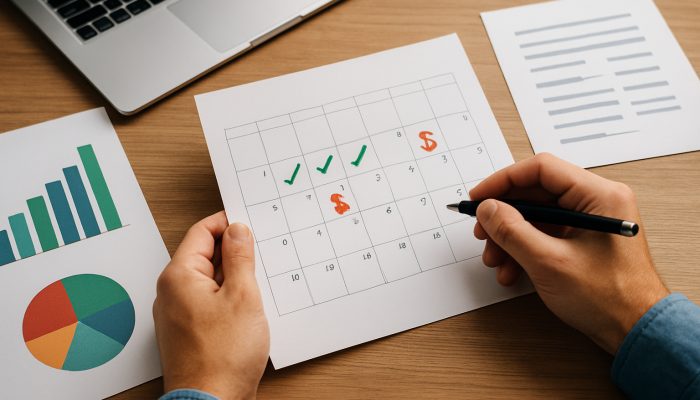
It is crucial to review your current salary deposit dates alongside your bill schedules to identify any discrepancies that could lead to cash shortages each month. Begin by compiling a comprehensive list of all your income sources, such as your salary, bonuses, and any additional income from side projects. Then, chart out your regular bills and expenses, which may include rent, utilities, and subscriptions. This exercise will provide clarity on how your income and expenses align or misalign, facilitating effective financial planning.
Grasping the timing of your cash flow is essential. For example, if your salary is deposited on the last working day of the month while your rent is due on the first, you may encounter a cash shortfall. By evaluating these timings, you can make well-informed decisions on when to set up payments or adjust expenses, ensuring that you have adequate funds available when required.
Establishing Direct Debits
Setting up automatic transfers immediately after your salary is credited can significantly alleviate financial stress. Direct debits enable you to automate payments for essential services such as rent, utilities, and insurance, guaranteeing they are settled promptly without incurring overdraft fees. This method can aid in managing your finances more effectively and help you avoid late payment penalties.
When organising direct debits, it is advisable to select dates that align with your pay schedule. For instance, if your salary is received on the last day of the month, arrange your direct debits for the first or second of the subsequent month. This strategy ensures that funds are available in your account prior to the deductions, providing peace of mind and improving your cash flow management.
Monitoring Monthly Income
It is vital to keep an eye on wage patterns from UK employers to accurately predict when your pay will be available. Many employers follow set pay cycles, such as weekly, bi-weekly, or monthly, which can influence your budgeting practices. By understanding these cycles, you can better anticipate your cash flow and make informed spending decisions.
Utilising budgeting tools or applications can greatly assist in tracking your income and expenses. Numerous apps allow you to enter your salary details and set reminders for bill payments, helping you stay organised with your finances. This proactive approach can prevent unforeseen shortfalls and facilitate efficient money management.
Essential Elements for Financial Success

Understanding Employer Payment Policies
It is vital to examine the terms of your contract regarding salary cycles, as payment policies can differ greatly among UK companies. Some employers may adhere to fixed pay dates, while others might provide more flexibility. Familiarising yourself with these terms can help you align your payment dates with your financial obligations.
Understanding your employer’s policies regarding bonuses and overtime can significantly influence your budgeting strategies. For instance, if bonuses are issued quarterly, you may want to earmark those funds for larger expenses or savings. This knowledge fosters improved financial planning and mitigates the risk of cash flow dilemmas.
Bank Processing Times
When planning your payments, it is important to consider the standard clearing periods observed by high street banks in the UK. Typically, most banks process payments within one to three working days, depending on the type of transfer. Being aware of these timelines can help you avoid delays and ensure that your bills are paid punctually.
In scheduling payments, take into account bank holidays, as these can affect processing times. For example, if your payday falls just before a bank holiday, you may experience payment delays, leading to potential cash flow issues. By being mindful of these factors, you can enhance your financial management and ensure timely payments.
Prioritising Expenses

It is crucial to rank your household outgoings to align key payments right after your funds are deposited. Start by categorising your expenses into essentials and non-essentials. Essentials encompass rent, utilities, and groceries, while non-essentials may include entertainment and dining out. Prioritising these payments allows for more effective allocation of your funds.
Once you have established your priorities, consider adjusting the payment dates for non-essential expenses to better fit your cash flow. For instance, if your salary is received at the end of the month, it may be prudent to postpone discretionary spending until after your essential bills have been paid. This strategy can help maintain financial stability and reduce anxiety.
How Can Aligning Payments Enhance Your Cash Flow?
Identifying Timing Discrepancies
Analysing the due dates of bills in relation to your pay cycles is essential to prevent cash shortfalls as the month progresses. By pinpointing discrepancies, you can modify your payment schedules to ensure that sufficient funds are available when required. This proactive method helps you avoid the stress of scrambling to meet bill payments at the last moment.
Consider developing a payment calendar that details your income and expenses. This visual aid can help you identify potential cash flow gaps and enable you to make necessary adjustments. By synchronising your payment dates with your income, you can cultivate a smoother financial experience and lessen the chances of accruing debt.
What Advantages Does Improved Timing Offer?
One of the primary benefits of aligning payments with your payday is the savings achieved from avoiding fees and interest charges associated with short-term borrowing. By ensuring that you have sufficient funds available for bills, you can steer clear of costly overdraft fees and late payment penalties that can accumulate quickly.
Improved timing can foster better budgeting practices. With a clear understanding of when your income arrives and when bills are due, you can allocate funds more effectively, leading to enhanced savings over time. This financial discipline contributes to a more secure financial future and reduces reliance on credit.
Adjusting Variable Expenses
Adjusting flexible expenditures, such as groceries and entertainment, to align with your income periods can significantly improve your cash flow management. By scheduling these variable expenses around your pay dates, you can avoid overspending before your salary is credited, which can lead to financial strain.
For example, if your salary arrives on a Friday, consider timing your grocery shopping for the weekend. This way, you can utilise your fresh funds while ensuring that essential purchases are made without disrupting your budget. This simple adjustment can create a more balanced financial approach and decrease the risk of overspending.
Simplifying Recurring Payment Schedules
Aligning all fixed monthly outgoings with salary deposit dates can help eliminate the gap between income and expenses. This practice enhances overall cash flow stability and diminishes the likelihood of emergency borrowing. When your expenses coincide with your income, it becomes easier to manage your finances effectively.
Review your current payment schedules and make necessary adjustments. For instance, if you have subscriptions or memberships due at the beginning of the month, consider rescheduling them to later in the month, after your salary is credited. This minor change can lead to significant improvements in your cash flow management.
Expert Insights on Aligning Payment Dates with Your Pay Day
Real-World Examples from UK Payroll Experts
Illustrative cases from UK payroll experts demonstrate how employees have successfully adjusted their utilities to align with their paydays. For instance, one case study involved an employee who moved their utility payments to the day after their salary was deposited. This straightforward adjustment alleviated the stress of juggling bills and ensured that payments were consistently covered.
Another scenario featured a collective of employees who worked with their employer to modify payment schedules for bonuses. By synchronising these payments with essential expenses, they achieved a more stable financial environment, showcasing the efficacy of strategic payment alignment in real-life situations.
Expert Analysis on Salary Cycles
An examination of how monthly pay structures influence budgeting decisions across the UK reveals significant insights. Many employees receive monthly salaries, which can lead to cash flow challenges if bills are not timed correctly. Understanding the intricacies of salary cycles can empower individuals to make informed financial decisions that enhance their budgeting strategies.
Experts recommend that employees analyse their pay cycles and adjust their spending habits accordingly. By recognising the timing of income and planning expenditures around these dates, individuals can establish a more sustainable financial routine that minimises stress and maximises savings potential.
Actionable Steps for Effective Alignment
Outlining precise calendar adjustments using standard UK banking apps can facilitate effective payment alignment. Begin by entering your pay dates into your digital calendar, setting reminders for upcoming bills and expenses. Many banking applications also allow you to schedule payments, simplifying the process of ensuring that your bills are paid on time.
Consider creating a budgeting spreadsheet that tracks your income and expenses. This can serve as an effective tool for visualising your cash flow and making necessary adjustments. By taking these actionable steps, you can establish a more organised financial routine that aligns your payment dates with your paydays.
What Common Challenges Exist in the UK?
Managing Irregular Bonuses
Handling unexpected payments, such as irregular bonuses, without disrupting established bill timings can present challenges. Bonuses can offer a financial boost, but if not planned appropriately, they may lead to overspending or misalignment with regular bills. It is crucial to have a clear strategy for managing these windfalls effectively.
One approach is to designate a portion of your bonus for savings or to cover forthcoming expenses. By treating bonuses as supplementary income rather than a reason to increase spending, you can maintain financial stability and ensure that your regular bills remain a priority.
Navigating Bank Holidays
Adjusting schedules around public holidays that delay transfers is another common hurdle. Bank holidays can disrupt payment processing, leading to potential cash flow issues if you are unprepared. Being aware of these dates and planning your payments accordingly is essential.
To minimise the impact of bank holidays, consider scheduling payments a few days earlier than usual. This proactive approach ensures that your bills are settled on time, even if bank processing times are affected. By planning in advance, you can avoid unnecessary stress and maintain control over your finances.
Coordinating Joint Accounts
Effective communication with partners to avoid overlapping payment dates is vital when managing joint accounts. Joint accounts can simplify shared expenses but can also create confusion if payment dates are not aligned. Clear communication is essential to ensure both parties are aware of when payments are due.
Establishing a shared calendar can assist in managing joint expenses effectively. By marking significant payment dates and income arrivals, both partners can stay informed and prevent potential shortfalls. This collaborative approach enhances financial harmony and reduces the likelihood of disputes over money management.
Reliable Strategies for Aligning Payment Dates with Your Pay Day
Methods for Calendar Integration
Integrating pay dates into widely used digital planners in the UK can streamline your financial management. Many individuals rely on digital calendars for scheduling, so incorporating your pay dates can provide a clear overview of your cash flow. This visibility enables you to plan your expenses more effectively.
Utilise reminders to alert you when your salary is due and when bills are approaching. This proactive strategy ensures you remain aware of your financial obligations and can prepare accordingly. By implementing this simple change, you can improve your budgeting practices and alleviate financial stress.
Negotiating with Creditors
Reaching out to service providers to adjust due dates to match your wage cycle can be a powerful tactic. Many creditors are open to accommodating requests for changes in payment schedules, particularly if it helps ensure timely payments. This flexibility can significantly enhance your cash flow management.
When negotiating with creditors, be transparent about your situation and propose specific dates that align with your income. Most companies appreciate proactive communication and may be more willing to collaborate with you. This cooperative approach can lead to more manageable payment schedules and alleviate financial pressure.
Advantages of Aligning Payment Dates with Your Pay Day
- Reduced stress from financial management
- Enhanced budgeting accuracy
- Minimised risk of overdraft fees
- Increased savings potential
- Improved financial stability
Aligning payment dates with your payday provides numerous benefits. By alleviating stress and enhancing budgeting accuracy, you can foster a more stable financial environment. This practice reduces the risk of overdraft fees and improves your overall savings potential, leading to a more secure financial future.
How Can You Effectively Implement Changes?
Testing New Payment Schedules
Trialling adjustments over one or two pay periods to refine your system can effectively implement changes. Start by making minor alterations to your payment dates and observe how these changes influence your cash flow. This iterative approach enables you to fine-tune your strategy based on real-world results.
During this testing phase, document any challenges or successes you encounter. This feedback will be invaluable in adjusting your payment schedules and ensuring they align with your financial objectives. By adopting a proactive mindset, you can create a system that best suits your unique circumstances.
What Tools Support This Process?
Exploring applications designed for personal finance tracking in the UK can significantly assist in aligning your payment dates. Many budgeting apps allow you to set reminders for bill payments, monitor expenses, and even link directly to your bank account for real-time tracking. These tools can simplify financial management and enhance your budgeting practices.
Consider trying out different apps to find one that fits your needs. Look for features that allow you to tailor payment schedules and track your income effectively. By leveraging these tools, you can establish a more organised financial routine that aligns your payments with your paydays.
Regularly Reviewing Outcomes
Conducting reviews of your statements after three months to confirm improvements is essential for maintaining your financial alignment. Regular assessments enable you to determine whether your adjustments have led to enhanced cash flow management and reduced financial stress. This practice also helps identify areas that may require further refinement.
During these reviews, pay attention to any recurring issues or patterns in your spending. This insight will facilitate informed decision-making regarding future adjustments and ensure your payment schedules continue to align with your financial objectives. By remaining proactive, you can uphold a stable financial environment.
Evidence-Based Benefits of Aligning Payment Dates with Your Pay Day
Real-World Examples from Financial Studies
Sharing data from British household surveys on cash flow improvements can offer valuable insights into the benefits of synchronising payment dates. Research indicates that households that align their income with expenses encounter fewer financial stresses and are better equipped to handle unexpected costs. These findings underscore the importance of strategic financial planning.
For instance, a study revealed that families who adjusted their payment schedules reported a substantial decrease in late payment fees and an increase in savings. This data illustrates that aligning payment dates can have a measurable impact on financial well-being, making it a crucial strategy for effective money management.
Expert Analysis on Long-Term Impacts
Discussing how consistent alignment contributes to building emergency funds over time highlights the long-term advantages of this approach. By ensuring that your income corresponds with your expenses, you create a buffer that facilitates savings accumulation over the years. This financial cushion is essential for managing unforeseen expenses and achieving long-term financial stability.
Experts suggest that individuals who maintain consistent payment alignment are more likely to cultivate positive financial habits. These habits may lead to increased savings, reduced debt levels, and improved overall financial health. Prioritising payment alignment positions you for long-term success.
Actionable Steps for Maintenance
Recommending quarterly reviews using UK budgeting templates can aid in sustaining your payment alignment. Regularly updating your financial plans ensures that you stay on course and can adapt to any changes in your income or expenses. This proactive approach is vital for achieving long-term financial success.
Consider creating a budgeting template that outlines your income, expenses, and payment schedules. This visual tool can assist in tracking your financial progress and making necessary adjustments. By remaining organised and routinely reviewing your finances, you can ensure that your payment dates remain aligned with your paydays.
Additional Resources for Payment Alignment
Community Support Options
Joining forums where UK employees share their experiences with payment alignment can yield valuable insights and support. These communities frequently discuss strategies, challenges, and successes associated with synchronising payment dates with paydays. Engaging with others can enhance your understanding and inspire you to implement effective changes.
Participating in these discussions may also help you uncover new tools and resources that can support your financial management efforts. By exchanging experiences and learning from others, you can gain a broader perspective on best practices for aligning payments with income.
Professional Advice Sources
Consulting certified advisors familiar with UK wage laws can provide tailored guidance on aligning payment dates. These professionals can offer personalised advice based on your unique financial situation, assisting you in navigating any complexities associated with payment schedules and budgeting.
When seeking professional advice, prioritise advisors with expertise in personal finance and budgeting. They can help you devise a comprehensive strategy that aligns your payments with your income, ensuring informed financial decisions.
Advantages of Aligning Payment Dates with Your Pay Day
- Enhanced credit scores
- Reduced late fees
- Increased financial stability
- Improved budgeting practices
Aligning payment dates with your payday provides numerous advantages, including enhanced credit scores and fewer late fees. This practice fosters financial stability and encourages improved budgeting practices, ultimately contributing to a more secure financial future.
Government and Regulatory Resources
Gaining access to official UK government websites that provide guidelines on wage payments and consumer rights is crucial for ensuring proper alignment of financial obligations with income receipt dates. These resources help clarify your rights and responsibilities regarding payments, fostering better budgeting practices and alleviating financial stress.
By familiarising yourself with these resources, you can gain a deeper understanding of your financial rights and obligations. This knowledge empowers you to make informed decisions about your finances and ensures you are well-prepared to manage your payment schedules effectively.
Educational Materials and Workshops
Engaging in webinars and reviewing publications from financial experts specialising in payroll alignment can provide valuable insights. These educational materials often address effective strategies for matching expenditure timings with salary deposits, helping you develop a more robust financial plan.
Look for local workshops or online courses that focus on budgeting and financial management. Participating in these resources can enhance your understanding of best practices and equip you with the tools you need to effectively align your payment dates.
Frequently Asked Questions
Why is aligning payment dates with your payday important?
Aligning payment dates with your payday ensures that you have sufficient funds available to meet your bills, minimising the risk of overdraft fees and late payments. This practice enhances financial stability and optimises cash flow management.
How can I evaluate my current payment schedule?
Begin by listing your income sources and mapping out your regular bills and expenses. This will help you identify any discrepancies or mismatches between your income and outgoing payments, enabling improved financial planning.
What tools can assist with tracking income and expenses?
Numerous budgeting apps are available in the UK that can help you monitor income and expenses, set reminders for bill payments, and gain insights into your financial habits. Popular choices include YNAB, Mint, and Emma.
How do bank holidays influence payment schedules?
Bank holidays can cause delays in payment processing, affecting when your bills are settled. It is crucial to plan your payments around these dates to ensure timely transactions and avoid cash flow issues.
Is it possible to negotiate payment dates with creditors?
Yes, many creditors are open to negotiating payment dates to accommodate your financial situation. Clearly communicating your needs can often lead to a more manageable payment schedule.
What advantages do direct debits offer?
Direct debits automate payments, ensuring that bills are paid promptly without the risk of overdraft fees. This practice simplifies financial management and helps maintain a consistent cash flow.
How frequently should I review my payment alignment?
Regular reviews, ideally every three months, are essential to ensure your payment alignment remains effective. This allows you to identify any changes in income or expenses and adjust your strategy accordingly.
What should I do if my income fluctuates each month?
If your income varies, consider creating a flexible budget that accommodates these changes. Prioritise essential expenses and adjust discretionary spending based on your income levels to maintain financial stability.
How can I adjust variable expenses to align with my pay dates?
Identify flexible expenditures, such as groceries and entertainment, and time them to fit your pay schedule. For example, plan shopping trips for shortly after payday to ensure funds are available.
What resources are available for financial education in the UK?
Many resources, including government websites, financial workshops, and online courses, provide valuable insights into budgeting and financial management. Engaging with these materials can enhance your financial literacy and empower you to make informed decisions.