

Comprehensive Guide to Debt Consolidation and 0% Balance Transfers
What Does Debt Consolidation Mean for UK Residents?

Debt consolidation in the UK refers to the financial strategy of merging multiple debts into a single loan, often at a reduced interest rate. This method streamlines the repayment process, making it more manageable for individuals facing numerous credit card debts, personal loans, and other financial commitments. By consolidating debts, borrowers can simplify their finances, focusing on a single monthly payment rather than juggling multiple payments with varying amounts and due dates, which can lead to confusion and increased stress.
For example, imagine a person with three credit cards, each carrying high-interest rates exceeding 20%. By applying for a debt consolidation loan from a UK lender, they could potentially obtain a personal loan with a significantly lower interest rate, say 8%. This shift would not only lower their monthly payment but also shorten the overall repayment period, leading to substantial savings in interest over time. Reputable UK financial institutions, such as Barclays and Lloyds Bank, provide various tailored debt consolidation options, highlighting the importance of comparing their offers to find the best fit for individual circumstances.
Before proceeding with debt consolidation, it is essential for borrowers in the UK to evaluate their financial habits and repayment history. A strong credit score can unlock more favourable loan terms, while those with less-than-stellar credit may still discover viable options through specialised lenders. For instance, AvantCredit is designed to assist individuals with poor credit histories, offering pathways to debt relief and improved financial stability.
Exploring the Key Features of 0% Balance Transfer Cards in the UK
0% balance transfer cards have gained significant popularity among UK consumers seeking effective ways to manage their credit card debt. These financial products allow users to transfer existing balances from high-interest credit cards to a new card that carries no interest on the transferred amount for a limited promotional period, typically lasting between 6 to 36 months. During this time, borrowers can make substantial progress in reducing their debt without incurring additional interest charges, making it an appealing choice for those looking to regain control over their financial situation.
The application process for obtaining a 0% balance transfer card typically involves an assessment of the applicant’s creditworthiness, as lenders evaluate credit scores and financial history. To qualify, potential cardholders usually need to demonstrate a good credit score, a steady income, and a clear repayment plan. It is crucial for applicants to meticulously review the terms and conditions of these cards, as some may impose transfer fees that could diminish the overall savings from the interest-free period.
To fully capitalise on the benefits of a 0% balance transfer card, UK consumers should adopt practical strategies, such as:
- Transferring only the amount of debt that can realistically be repaid within the promotional period.
- Steering clear of accruing new debt on both the old and new cards during the transfer period.
- Setting up direct debits for regular payments to ensure timely repayments.
- Monitoring future spending to resist the temptation of using available credit limits.
Implementing these actionable practices can significantly assist individuals in managing their debt efficiently while enjoying the perks of interest-free repayments.
Essential Eligibility Criteria for Debt Consolidation and 0% Balance Transfers
Understanding the eligibility criteria for debt consolidation loans and 0% balance transfer cards is vital for UK consumers aiming to improve their financial circumstances. Lenders generally assess several factors when evaluating applications, including credit scores, income levels, and overall existing debt.
For debt consolidation loans, UK lenders typically require applicants to have a credit score within the fair to good range, often around 580 or higher, though specific criteria may differ among lenders. A stable income that comfortably covers the proposed monthly repayments is also crucial. Many lenders favour applicants with a debt-to-income ratio of less than 40%, indicating that no more than 40% of their monthly income is dedicated to servicing debt.
Conversely, 0% balance transfer cards might impose stricter eligibility standards, as credit card issuers often seek applicants with a high credit score, usually above 700. This focus ensures that credit is extended to borrowers likely to repay their obligations promptly. Moreover, potential cardholders should demonstrate a reliable income source, as this reassures lenders of their capacity to meet repayment requirements.
Furthermore, UK consumers must be aware of the application process for both options. Conducting a thorough review of one’s credit report and rectifying any discrepancies in advance can significantly improve the chances of securing a favourable outcome. Grasping these eligibility requirements not only prepares borrowers for the application process but also empowers them to explore the most suitable options for their financial needs.
Comparing Debt Consolidation and 0% Balance Transfers: Key Differences

How Does Debt Consolidation Affect Monthly Payments?
Debt consolidation can profoundly influence monthly payments, primarily aimed at alleviating financial strain on borrowers. By merging various debts into a single loan, individuals frequently benefit from a lower interest rate, which directly results in reduced monthly payments. This feature is especially advantageous for those struggling to keep pace with high-interest debts, as it simplifies their financial engagements and reduces overall stress.
In the UK, numerous lenders offer debt consolidation loans that extend repayment terms, enabling borrowers to distribute costs over a more extended period. For instance, an individual with £10,000 in debt at a 20% interest rate may face monthly payments of approximately £600 if they do not consolidate. However, by securing a debt consolidation loan at a 10% interest rate over five years, their monthly payments could decrease significantly to around £200. This reduction can alleviate financial pressure and create more disposable income for other essential expenses.
Moreover, consolidating debts can enhance an individual’s overall financial situation by lowering the likelihood of missed payments, as there is only a single payment to manage. Timely repayments can improve credit scores over time, facilitating access to better financial products in the future. However, borrowers must remain disciplined and avoid accumulating new debts while repaying their consolidated loan to truly reap the benefits of this approach.
The Allure of 0% Balance Transfer Periods
The appeal of 0% balance transfer periods lies in their capacity to provide significant savings and a structured timeline for debt repayment. When utilised effectively, these cards can enable rapid debt elimination without the burden of accruing additional interest, making them an attractive option for UK consumers eager to manage their finances.
During the promotional period, which can span from 6 to 36 months, cardholders can concentrate on paying down their existing debt without the added pressure of interest. This temporary relief can motivate individuals to make larger payments towards their balance, hastening their journey to debt freedom. For instance, transferring a £4,000 balance from a 20% interest rate credit card to a 0% balance transfer card can save hundreds in interest charges if managed correctly.
To maximise the advantages of 0% balance transfer cards, borrowers need to craft a focused repayment strategy. This involves making consistent payments that exceed the minimum required amount throughout the promotional period, ensuring the balance is fully repaid before interest rates revert to standard levels. By adopting this strategy, consumers can leverage these cards effectively while avoiding the accumulation of debt post-promotion.
Additionally, the competitive landscape of the UK credit card market enables cardholders to often switch to new 0% balance transfer offers once their initial promotional period concludes. By keeping a close eye on offers and transferring remaining balances, consumers can maintain an interest-free environment and continue to chip away at their debts.
Long-term Financial Costs of Debt Consolidation and Balance Transfers
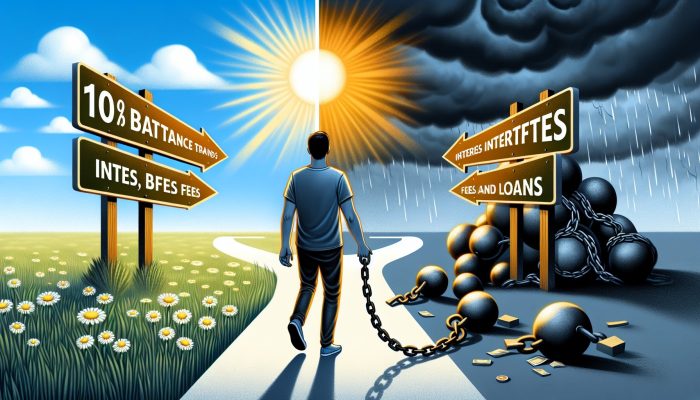
When contemplating the long-term costs associated with debt consolidation loans and 0% balance transfer cards, it is imperative for UK borrowers to evaluate the financial ramifications of each option in detail. While both methods can provide immediate relief, they also entail potential costs that may impact borrowers’ financial health down the line.
With debt consolidation loans, borrowers might encounter a range of fees, including origination fees, processing charges, or early repayment penalties. Such costs can accumulate, ultimately negating some of the advantages of consolidating debts. Furthermore, while lower interest rates may appear beneficial initially, it is vital to assess the total cost over the loan’s lifetime. For example, extending the repayment term can lower monthly payments but may lead to paying more interest overall.
On the flip side, 0% balance transfer cards can also present long-term costs if not managed appropriately. If a balance is not cleared before the promotional period concludes, borrowers may face high-interest rates on any remaining balance, often reverting to rates of 15% or more. Additionally, many cards impose balance transfer fees, typically a percentage of the transferred amount, which can further elevate the cost of managing debt.
To make informed decisions, it is essential for UK consumers to meticulously scrutinise the terms and conditions of any debt consolidation loan or 0% balance transfer card. By understanding the potential costs and formulating a structured repayment plan, borrowers can optimise their debt management approach and ensure they remain shielded from unexpected financial ramifications in the future.
Understanding the Process of Debt Consolidation in the UK
What Steps Should You Follow to Apply for Debt Consolidation?
Applying for a debt consolidation loan in the UK involves several systematic steps that enable borrowers to navigate the process efficiently. The initial step is to evaluate your current financial situation, which includes compiling a list of all outstanding debts, interest rates, and monthly payments. This overview allows individuals to gauge the total amount they wish to consolidate and identify the most suitable lenders offering competitive rates.
Once this assessment is complete, prospective borrowers should research various financial institutions that provide debt consolidation loans. This research may encompass comparing interest rates, loan terms, and associated fees across multiple lenders. Online platforms like Comparethemarket or MoneySuperMarket can help streamline this process. It is crucial for borrowers to read the fine print, as terms can significantly differ between lenders.
After selecting an appropriate lender, the next step is to complete the application process. This typically involves submitting personal and financial information, such as income statements, employment history, and credit details. Lenders will conduct a credit check to assess the applicant’s creditworthiness. Approval timelines can vary from a few hours to several days, depending on the lender.
It is essential to be aware of potential pitfalls during the application process. A common oversight is neglecting to review credit reports for inaccuracies before applying, which can hinder approval chances or lead to less favourable loan conditions. Moreover, borrowers should be cautious of overextending their finances by taking out a loan larger than necessary. By adhering to these steps and remaining organised, individuals can enhance their likelihood of securing a beneficial debt consolidation loan.
Why Is Debt Consolidation Suitable for Certain Borrowers?
Debt consolidation may appeal more to specific borrowers, particularly those grappling with multiple high-interest debts. One of the primary advantages of this strategy is the simplification of financial management. By consolidating debts into a single loan, borrowers can streamline their payments, thereby reducing the risk of missed due dates and incurring late fees.
For instance, individuals with several credit cards, each charging different interest rates, might find that consolidating their debts into one loan at a lower interest rate provides immediate relief. This not only decreases the amount owed each month but also allows borrowers to pay off their debt more efficiently. For many UK households, this can serve as a crucial lifeline, particularly when faced with mounting financial pressures due to unforeseen expenses or changes in income.
Additionally, debt consolidation can provide an opportunity for borrowers to improve their credit scores over time. By making consistent payments on a single loan, individuals can demonstrate responsible financial behaviour, positively influencing their credit reports. This improvement can unlock better financial products in the future, including mortgages, personal loans, and credit cards with more favourable terms.
In specific scenarios, such as those burdened with significant credit card debts or personal loans that attract higher interest rates, consolidation can be especially advantageous. By negotiating a lower interest rate through a consolidation loan, borrowers can minimise their total interest payments and realise long-term savings. Ultimately, the efficacy of consolidation hinges on individual circumstances, financial habits, and the ability to adhere to a structured repayment plan.
What Risks Should Borrowers Be Aware of with Debt Consolidation?
While debt consolidation can offer substantial benefits, it is crucial for borrowers to recognise the potential risks associated with this approach. One significant concern is the possibility of extending the debt repayment period, which can result in paying more interest over time. For example, if a borrower consolidates debts with a longer repayment term, they may enjoy lower monthly payments, but the total cost of the loan could increase drastically.
Additionally, consolidating debt does not eliminate the underlying financial behaviours that led to the initial debt. If borrowers fail to address their spending habits or continue to accrue new debt after consolidation, they risk regressing into a deeper financial hole. This predicament is particularly relevant for individuals who consolidate credit card debts but then irresponsibly use their cards again, resulting in a situation where they are responsible for both the consolidation loan and new credit card debts.
Another risk tied to debt consolidation is the potential impact on credit scores. While timely repayments can enhance credit ratings, applying for a new loan can initially cause a temporary dip in credit scores due to hard inquiries. Furthermore, if a borrower defaults on their consolidation loan, the consequences can be severe, including damage to their credit report and the possibility of legal action from lenders.
To mitigate these risks, it is vital for borrowers to devise a clear plan for managing their finances post-consolidation. This strategy should encompass creating a budget, adhering to repayment schedules, and steering clear of unnecessary new debts. By being proactive and disciplined, borrowers can harness the benefits of consolidation while minimising associated risks.
Insights from Experts on Debt Consolidation and 0% Balance Transfers
What Are the Key Advantages Supported by UK Research?
Expert analyses of debt consolidation and 0% balance transfers underscore several key advantages substantiated by UK studies and real-world experiences. One notable benefit of debt consolidation is the simplification of financial management. By merging multiple debts into a single loan, individuals can maintain greater control over their finances, thereby reducing the likelihood of missed payments and associated fees.
Research conducted by the Money Advice Service reveals that nearly 60% of individuals who consolidated their debts reported experiencing lower stress levels concerning their finances. This reduction in financial anxiety can lead to enhanced overall wellbeing and improved mental health. Additionally, borrowers frequently find that consolidating debts allows for more efficient payment of their obligations, as they can concentrate on a single repayment instead of managing multiple creditors.
Another significant advantage lies in the potential for cost savings, particularly for those grappling with high-interest debts. Studies indicate that borrowers opting for debt consolidation loans typically achieved savings ranging from 10% to 30% on interest payments compared to retaining their existing high-interest debts. This remarkable difference can translate into considerable financial relief, enabling borrowers to redirect funds towards essential expenses or savings.
For UK consumers contemplating their options, the following key benefits can be highlighted:
- Simplified repayment structures reduce the risk of missed payments.
- Lower interest rates can lead to substantial long-term savings.
- Improved credit scores through consistent repayment can enhance access to favourable financial products.
- Reduced financial stress contributes to better overall mental health and quality of life.
These insights illustrate why debt consolidation can be a prudent choice for many individuals striving to regain control of their finances.
What Potential Pitfalls Should Borrowers Keep in Mind?
Despite the advantages, potential pitfalls associated with debt consolidation and 0% balance transfers exist, as highlighted by financial specialists in the UK. A common mistake borrowers make is failing to thoroughly examine their financial habits before proceeding with consolidation. Without addressing the underlying issues that led to debt accumulation, individuals may find themselves in a similar predicament shortly after consolidating.
Another significant concern is the misconception that consolidating debt automatically resolves financial problems. Borrowers may overlook the importance of establishing a budget and a financial plan after consolidation. Financial experts emphasise that individuals must maintain discipline, resisting the temptation to incur new debts while repaying their consolidated loans.
Potential pitfalls also include neglecting the fees and charges associated with consolidation loans or balance transfer cards. For instance, balance transfer fees can range from 1% to 3% of the amount moved, which can cut into the overall savings anticipated from the interest-free period. Moreover, failing to read the fine print can result in unwelcome surprises, such as high-interest rates reverting once the promotional period ends.
To sidestep these pitfalls, specialists recommend implementing actionable steps, such as:
- Thoroughly reviewing financial habits and addressing any underlying issues before consolidation.
- Creating a detailed budget to ensure financial discipline post-consolidation.
- Carefully evaluating fees and terms associated with loans or balance transfers.
- Staying proactive in monitoring credit reports for changes and potential discrepancies.
By adhering to these expert recommendations, individuals can navigate their debt management journey more effectively and avoid common pitfalls.
How Should Consumers Evaluate Their Debt Management Options?
Financial experts highlight the significance of evaluating options when contemplating debt consolidation or a 0% balance transfer. A key recommendation is to review and compare interest rates and fees from multiple lenders or credit card issuers. By conducting thorough research, consumers can identify the most advantageous products tailored to their financial circumstances.
Another critical aspect is understanding the total cost of each option. When assessing debt consolidation loans, borrowers should consider not only the interest rate but also any associated fees, such as origination charges or early repayment penalties. Similarly, when reviewing 0% balance transfer cards, it is vital to factor in balance transfer fees and the interest rate that will apply after the promotional period concludes.
Experts also suggest analysing personal financial circumstances, including credit scores and repayment capacities. Those with good credit may qualify for lower interest rates on consolidated loans or 0% balance transfer cards, while individuals with lower scores may need to explore specialised lenders catering to their needs.
To facilitate a comprehensive evaluation, experts recommend creating a comparison chart that outlines the key features of each option, including:
- Interest rates during promotional or fixed periods.
- Fees associated with consolidation or transfers.
- Repayment terms and flexibility.
- Impact on credit scores and overall financial health.
By systematically comparing these factors, individuals can make informed choices that align with their financial goals and effectively manage their debt.
What Expert Advice Is Available for Selecting the Best Strategy?
Choosing the optimal strategy between debt consolidation and a 0% balance transfer requires careful consideration of personal circumstances. Financial experts recommend that borrowers begin by evaluating their total debt amounts and the associated interest rates. For those with high-interest credit card debt, a 0% balance transfer may be the most effective solution, as it can offer immediate relief and the opportunity to pay off debt without accruing interest.
Conversely, individuals with multiple types of debt, including personal loans or overdue bills, may find that debt consolidation provides a more comprehensive solution. This approach can simplify the repayment process and potentially lower overall interest costs, particularly for debts with varying rates.
Experts also stress the importance of contemplating future financial goals. If the priority is to pay off debt quickly, leveraging a 0% balance transfer card may yield the best results. However, those seeking a long-term solution should carefully scrutinise the terms of debt consolidation loans to ensure they align with their repayment capabilities.
Additionally, personal financial habits play a critical role in determining the most suitable approach. Borrowers must be honest regarding their spending behaviours and their discipline in adhering to repayment plans. For example, those prone to overspending may discover that consolidating debts into a single loan is a more manageable option, as it reduces the temptation to rely on credit cards.
Ultimately, by analysing their financial goals, understanding their debt landscape, and evaluating personal habits, UK borrowers can make informed decisions that optimise their debt management strategies.
What Case Studies from UK Professionals Reveal
Examining real-life case studies from UK debt advisors can yield valuable insights into successful applications of debt consolidation and 0% balance transfers. One notable case involved a young professional, Sarah, who found herself overwhelmed by £8,000 in credit card debt, primarily due to high-interest rates. After consulting with a financial advisor, she opted for a 0% balance transfer card, which granted her an 18-month interest-free promotional period.
By strategically allocating her funds to pay off the balance during this timeframe, Sarah successfully cleared her debt and significantly improved her credit score. Financial experts remarked that her disciplined approach to managing spending and consistently making payments was crucial to her success. Today, she shares her story to inspire others to consider balance transfers as a viable debt management strategy when used responsibly.
Another compelling case featured a family of four grappling with multiple debts, including personal loans and credit card balances. After consulting with a debt advisor, they chose a debt consolidation loan with a fixed interest rate over five years. This decision enabled them to merge their debts into a single monthly payment, considerably reducing their overall monthly expenditures and alleviating financial pressure.
The advisor recommended creating a budget to prevent the accumulation of new debts, leading to successful financial recovery. Over time, the family’s credit score improved, allowing them to explore advantageous financial products, including a mortgage for their dream home.
These case studies underscore the effectiveness of both debt consolidation and 0% balance transfer options when employed wisely. They illustrate the importance of tailored strategies based on individual financial circumstances, empowering borrowers to achieve their debt management goals successfully.
What Are the Advantages of 0% Balance Transfers?
Is a 0% Balance Transfer Suitable for Short-Term Debt Management?
Absolutely, a 0% balance transfer is particularly well-suited for managing short-term debt. The primary advantage of these cards is the ability to transfer high-interest credit card balances to a new card offering a promotional interest rate of 0% for a limited period. This strategic move can result in substantial savings on interest payments, allowing borrowers to focus on aggressively paying down their debt.
For instance, if an individual has a credit card debt of £3,000 at a 20% interest rate, transferring this balance to a 0% balance transfer card can save them hundreds of pounds in interest, provided that the debt is cleared within the promotional period. This method empowers borrowers to maximise their savings and expedite their journey towards financial freedom.
However, borrowers must have a repayment plan in place to ensure they can clear the balance before the promotional period expires. Failing to do so can result in reverting to high-interest rates, which can be detrimental to financial health. Therefore, for those managing short-term debts, a 0% balance transfer presents an excellent opportunity to strategically manage repayments and achieve financial independence.
Furthermore, 0% balance transfer cards frequently come with various perks, such as cashback rewards or loyalty points, adding extra value to the borrowing experience. By effectively utilising these benefits, borrowers can create a comprehensive debt management strategy that aligns with their short-term financial objectives.
How Do 0% Balance Transfers Compare with Consolidation for Interest Savings?
When comparing 0% balance transfers to debt consolidation loans concerning interest savings, several factors come into play that can influence a borrower’s decision. Both options can offer significant savings, yet individual circumstances often dictate which approach is more effective.
Generally, 0% balance transfer cards can provide immediate and substantial interest savings for those with high-interest credit card debts. By transferring these balances to a card that offers 0% interest during the promotional period, borrowers can effectively halt interest accumulation and concentrate on repaying the principal amount. This method is especially advantageous for individuals capable of clearing debts within the promotional timeframe.
In contrast, debt consolidation loans can also yield savings, albeit potentially less dramatic than those achieved with a balance transfer. Typically, these loans offer lower interest rates than the average credit card, allowing borrowers to manage multiple debts more efficiently over an extended period. However, the interest savings may be less pronounced than those of a 0% balance transfer, particularly if the consolidation loan has a longer repayment term.
Ultimately, borrowers should consider their financial habits and repayment capabilities when evaluating these options. If a clear plan exists to pay off credit card debt before the 0% promotional period concludes, a balance transfer may provide more immediate savings. Conversely, those with a more complex debt landscape may benefit from a consolidation loan that simplifies repayments while still lowering interest costs.
In summary, both methods can serve as effective strategies for managing debt, but the best choice hinges on the borrower’s specific financial situation and objectives.
What Ongoing Benefits Do 0% Balance Transfer Cards Offer?
In addition to the primary advantage of a 0% interest rate during the promotional period, many balance transfer cards in the UK provide ongoing perks that enhance their value. These additional benefits can make the borrowing experience more rewarding, offering consumers further incentives to manage their finances effectively.
One of the most prevalent perks associated with 0% balance transfer cards is cashback rewards. Numerous card issuers offer a percentage of cashback on purchases made with the card, enabling borrowers to earn money back on their everyday spending while focusing on debt repayment. This added benefit can help offset some of the costs associated with balance transfers or contribute to savings objectives.
Another appealing feature of select 0% balance transfer cards is the opportunity to earn loyalty points, which can be redeemed for various rewards, such as travel, products, or gift vouchers. For consumers who responsibly utilise their cards and repay their balances promptly, these loyalty programmes can significantly enhance the value of their borrowing experience.
Additionally, some credit card issuers provide extra benefits, such as purchase protection, extended warranties, or travel insurance when booking with the card, offering an added layer of security for consumers. These features can not only enhance the overall value but also promote responsible spending habits, as users are encouraged to pay off their balances to avoid interest charges.
Nevertheless, it is crucial for borrowers to meticulously review the terms and conditions associated with these perks, as some may come with requirements or limitations. By being informed about the ongoing benefits of their 0% balance transfer cards, consumers can maximise their rewards while effectively managing their debts.
What Factors Influence Eligibility for 0% Balance Transfers?
Several factors influence eligibility for 0% balance transfers in the UK, and understanding these criteria is vital for consumers aiming to take advantage of these financial products. The primary determinant is the applicant’s credit score, which lenders use to assess creditworthiness. Typically, individuals with a good credit score—usually above 700—are more likely to qualify for favourable balance transfer offers.
Another critical aspect is the applicant’s income and employment status. Lenders seek to ensure that individuals possess a stable income that enables them to manage their financial obligations effectively. Furthermore, demonstrating a consistent employment history can reassure lenders regarding the applicant’s ability to make timely repayments.
The applicant’s existing debt levels can also impact eligibility. Lenders may impose a debt-to-income ratio requirement, indicating how much of the borrower’s monthly income is allocated to servicing existing debts. A lower debt-to-income ratio enhances the likelihood of approval, as it signals responsible borrowing behaviour.
Potential borrowers should also be aware of the balance transfer limits set by card issuers. These limits determine the maximum amount that can be transferred to the new card, and they can vary based on the lender and the applicant’s creditworthiness.
To maximise approval chances, applicants should consider the following steps:
- Review and enhance their credit score by ensuring timely payments and addressing any inaccuracies.
- Provide accurate information regarding income and employment status.
- Maintain a low debt-to-income ratio by repaying existing debts before applying.
- Research and compare multiple lenders to find the best balance transfer offers for their financial situation.
By understanding these factors and preparing accordingly, consumers can improve their eligibility for 0% balance transfer cards and leverage the benefits for effective debt management.
Are There Risks Associated with 0% Balance Transfers?
While 0% balance transfers can be a valuable tool for managing debt, they are not without inherent risks that borrowers should carefully consider. One significant risk is the potential for incurring high-interest rates once the promotional period concludes. Should borrowers fail to clear their balances before the promotional term ends, they may face steep interest rates, often exceeding 20%, on any remaining debt. This situation can significantly inflate overall costs and undermine the original purpose of the transfer.
Additionally, some balance transfer cards impose transfer fees, typically ranging from 1% to 3% of the transferred amount. These fees can erode the savings expected from the interest-free period, especially for larger balances. It is essential for borrowers to factor in these fees when evaluating the overall costs of a balance transfer.
Another risk involves the temptation to accrue new debt on the original credit cards after transferring balances. If individuals lack discipline in their spending habits, they may find themselves facing multiple debts again, complicating their financial situation and potentially creating a cycle of debt.
To mitigate these risks, borrowers should adopt proactive strategies, such as:
- Creating a clear repayment plan focused on eliminating the balance before the promotional term concludes.
- Monitoring spending behaviours and avoiding unnecessary new debts during the transfer period.
- Reviewing the terms and conditions of the card, paying close attention to fees and post-promotional interest rates.
- Setting up alerts or reminders for payment deadlines to stay on track with repayments.
By acknowledging these risks and implementing sound financial practices, consumers can maximise the benefits of 0% balance transfers while minimising potential drawbacks.
Research-Backed Benefits of Debt Consolidation and 0% Balance Transfers
What Evidence from UK Financial Reports Supports Their Effectiveness?
Evidence from UK financial reports underscores the effectiveness of debt consolidation and 0% balance transfers in alleviating financial stress and enhancing overall financial management. Studies conducted by organisations like the Money Advice Service reveal that many individuals who pursued debt consolidation reported experiencing lower anxiety levels and greater confidence in handling their finances. This positive trend highlights the mental health benefits associated with simplifying debt management.
Research indicates that nearly two-thirds of borrowers who opted for debt consolidation felt more in control of their finances following the process. They noted that having a single monthly payment, often at a more favourable interest rate, enabled them to allocate funds towards other essential expenses or savings goals. This streamlined approach to debt management fosters a sense of accomplishment, motivating individuals to remain committed to their financial recovery.
Moreover, financial reports show that households engaging in debt consolidation or utilising 0% balance transfer cards often experienced substantial savings on interest payments. For example, borrowers who consolidated their debts typically saved between £300 to £1,500 annually on interest alone. These savings can be particularly impactful, freeing up resources for other financial priorities such as building an emergency fund or investing in future opportunities.
To effectively implement these findings, consumers can:
- Assess their financial situations and identify debts suitable for consolidation or transfer.
- Research available debt management products to find the best fit for their needs.
- Develop clear repayment strategies to ensure timely payments.
- Regularly review finances to track progress and adjust strategies as needed.
By leveraging evidence-backed insights, individuals can make informed decisions regarding debt management options that promote positive financial outcomes.
How Do These Strategies Enhance Credit Management?
Debt consolidation and 0% balance transfers play a pivotal role in improving credit management for individuals struggling with existing debts. When borrowers consolidate their debts or transfer high-interest balances, they often observe a positive impact on their credit scores over time, provided they maintain responsible financial behaviour.
One of the primary ways these strategies enhance credit management is by reducing the number of outstanding debts. By consolidating multiple debts into a single loan or transferring balances to a new card, borrowers can simplify their financial landscape, making it easier to manage repayments. This simplification reduces the risk of missed payments, which can adversely affect credit scores.
Additionally, consistently making timely payments on a consolidated loan or a 0% balance transfer card can demonstrate responsible credit usage, leading to improved credit scores over time. As individuals exhibit a strong repayment history, credit reporting agencies will positively adjust their scores, making them eligible for better financial products in the future.
Moreover, borrowers who actively manage their debts through consolidation or balance transfers can cultivate healthy financial habits, which contribute to long-term credit management success. These habits include regular monitoring of credit reports, budgeting for payments, and maintaining a low credit utilisation rate, which reflects the ratio of credit used versus available credit.
To enhance credit management effectively, individuals should:
- Create a plan to systematically pay off debts.
- Monitor credit scores regularly to track progress.
- Limit new credit applications during the repayment period.
- Engage in responsible spending to prevent accumulating further debts.
By employing these strategies, borrowers can leverage debt consolidation or 0% balance transfers to improve their credit management and achieve their financial objectives.
What Do Experts Compare in Terms of Outcomes for Users?
Expert comparisons of outcomes for users who opt for debt consolidation or 0% balance transfers reveal valuable insights into the effectiveness of these strategies in real-world scenarios. Financial professionals highlight that, while both options can offer substantial benefits, the ideal choice often hinges on individual circumstances and financial behaviours.
For instance, consumers with high-interest credit card debt are generally better served by pursuing 0% balance transfers as a means to halt interest accumulation and accelerate their debt repayment. Research indicates that many individuals who utilised this approach successfully cleared their debts before the promotional period ended, resulting in significant interest savings.
Conversely, those with a diverse range of debts—such as personal loans, store cards, and credit card balances—may find that debt consolidation provides a more comprehensive solution. By consolidating multiple debts into a single loan, borrowers can simplify their repayment processes and potentially secure lower overall interest rates. Experts note that this approach can be particularly beneficial for individuals who struggle to manage multiple creditors.
Ultimately, the outcomes for users relying on either strategy depend heavily on their commitment to responsible financial management. Borrowers who actively engage in budgeting, monitoring their spending, and adhering to repayment plans tend to experience more successful outcomes, regardless of the path they choose.
To facilitate better outcomes, users should focus on:
- Choosing the most appropriate strategy based on their specific debt situations.
- Engaging with financial advisors for personalised guidance.
- Utilising budgeting tools to track spending and repayments.
- Setting realistic financial goals to maintain motivation and focus.
By understanding the comparative outcomes associated with debt consolidation and 0% balance transfers, users can make informed choices that align with their financial objectives.
Potential Drawbacks to Consider in Debt Management
What Hidden Fees Might Arise in the UK?
When exploring debt consolidation and 0% balance transfers, UK borrowers must remain vigilant about potential hidden fees that could impact their financial plans. These fees may vary between lenders and card issuers, making it crucial to thoroughly comprehend the terms associated with each option.
For debt consolidation loans, common hidden fees may include origination fees, which are charged for processing the loan, and early repayment penalties, which are incurred if borrowers pay off their loans ahead of schedule. Such fees can diminish the potential savings linked to consolidating debts, particularly if individuals fail to evaluate the loan conditions carefully beforehand.
In the realm of 0% balance transfer cards, borrowers may encounter balance transfer fees, typically ranging from 1% to 3% of the transferred amount. For example, transferring a £5,000 balance may incur a fee of £50 to £150, significantly reducing the overall savings expected from the 0% promotional period. Additionally, some credit card issuers impose annual fees, which can further affect the value of the offer.
Moreover, borrowers should be mindful of potential charges related to late payments or exceeding credit limits. Missing a payment can lead to steep fees and, in some cases, may result in losing the promotional 0% interest rate entirely, reverting to the standard rate, which can be detrimental to financial recovery.
To navigate these potential hidden fees effectively, borrowers should:
- Carefully review the terms and conditions of loans or credit cards to identify any applicable fees.
- Directly ask lenders or card issuers about any hidden costs associated with their products.
- Factor in all fees when calculating potential savings from consolidation or balance transfer.
- Maintain a disciplined approach to repayment to avoid late fees or penalties.
By proactively addressing hidden fees, borrowers can make informed financial decisions that safeguard their interests.
Is There a Risk of Increasing Debt After Consolidation?
One notable risk associated with debt consolidation and 0% balance transfers is the potential for increasing debt if not managed judiciously. While these strategies are designed to alleviate financial burdens, borrowers must exercise caution to prevent falling into a cycle of debt that can lead to greater financial difficulties.
A common pitfall arises when individuals consolidate existing debts but continue to rely on their credit cards for new purchases. This behaviour can lead to accumulating additional debt alongside the consolidated loans, ultimately negating the benefits of consolidation. For instance, if a borrower consolidates £6,000 in credit card debt but then incurs £3,000 in new charges on their old cards, they may find themselves with a total debt of £9,000, which can be overwhelming.
Furthermore, individuals may underestimate their spending habits, assuming that debt consolidation has resolved their financial issues. Without addressing the underlying causes of debt accumulation, such as impulsive spending or poor budgeting, borrowers risk repeating past mistakes and worsening their financial situations.
To mitigate the risk of increasing debt, individuals should consider the following strategies:
- Establish a comprehensive budget that tracks income, expenses, and debt repayments.
- Avoid using consolidated or transferred credit cards for new purchases to prevent accruing additional debt.
- Engage in financial literacy education to develop better spending habits and money management skills.
- Consider seeking professional financial advice for personalised guidance and support.
By adopting a disciplined approach to debt management, borrowers can leverage consolidation and balance transfers effectively while minimising the risk of increasing their financial burdens.
How Do These Strategies Affect Long-term Financial Health?
The long-term financial health of borrowers can be significantly impacted by their choices regarding debt consolidation and 0% balance transfers. While both strategies can provide short-term relief, their effects on long-term financial stability largely depend on how individuals manage their debts after consolidation or transfer.
One potential positive outcome is improved credit health, as responsible management of consolidated loans or transferred balances can lead to better credit scores over time. Consistently making timely repayments can demonstrate financial responsibility, ultimately enhancing the individual’s credit profile and making it easier to access better financial products in the future.
Conversely, there is a risk that borrowers may inadvertently extend their debt repayment periods, resulting in higher overall interest payments. For instance, individuals who consolidate their debts into a loan with a longer repayment term may find themselves paying more in interest over time, even if their monthly payments are lower.
Moreover, if borrowers do not address the habits that led to their debt accumulation initially, they may find themselves in a precarious financial situation. This can lead to a cycle of debt that hampers long-term financial health, causing individuals to rely on credit to cover everyday expenses or emergency costs, which can result in further debt.
To promote long-term financial health, borrowers should consider:
- Continuously monitoring their financial situation and adjusting their budgets as necessary.
- Setting long-term financial goals to provide motivation and direction.
- Engaging in regular financial education to enhance their understanding of money management.
- Seeking professional advice when necessary to ensure they remain on a positive financial trajectory.
By implementing proactive strategies and maintaining discipline, individuals can harness the benefits of debt consolidation and 0% balance transfers to foster lasting financial wellbeing.
How to Choose the Right Debt Management Option?
What Factors Should You Assess First?
Choosing the right option between debt consolidation and a 0% balance transfer necessitates a careful assessment of several factors that influence your financial situation. The first step involves evaluating the total amount of debt you currently hold, including the types of debts (e.g., credit cards, personal loans) and their respective interest rates. This information serves as the foundation for determining which approach may be most advantageous.
Next, consider your credit score and financial behaviour. A higher credit score can enable access to better interest rates on both consolidation loans and 0% balance transfer cards. Thus, reviewing your credit report for any discrepancies or areas for improvement is essential. Additionally, understanding your spending habits and the reasons behind your debt will help you determine whether you need a short-term solution, such as a balance transfer, or a longer-term strategy like consolidation.
Another critical factor to assess is your repayment capability. Consider your monthly budget and determine how much you can allocate towards debt repayments. If you can comfortably pay off your debts within a short timeframe, a 0% balance transfer may be appropriate. However, if you prefer lower monthly payments over an extended period, consolidation may better suit your needs.
Moreover, take into account the fees associated with each option, such as balance transfer fees or loan origination fees. Evaluating the total cost of each approach will provide a clearer picture of what to expect in terms of overall financial impact.
By systematically assessing these factors, you can make an informed decision that aligns with your financial goals and sets you on the path to effectively managing your debts.
Why Is It Beneficial to Consult a UK Financial Advisor?
Consulting a UK financial advisor can offer immense value when navigating the complexities of debt consolidation and 0% balance transfers. Financial experts possess specialised knowledge and experience that can assist individuals in making informed decisions tailored to their unique financial situations.
Advisors provide personalised guidance, taking into account individual circumstances such as income levels, credit scores, and existing debts. By evaluating these factors, they can recommend the most suitable options for effectively managing debts while aligning with long-term financial goals. This tailored approach can be particularly beneficial for individuals who may feel overwhelmed by their debt or struggle to identify the best course of action.
Moreover, financial advisors can help develop a comprehensive debt management plan encompassing budgeting, savings strategies, and future financial objectives. This holistic perspective enables borrowers to address not only their immediate debt concerns but also their overall financial wellbeing.
Additionally, advisors can help individuals avoid common pitfalls associated with debt management, such as the temptation to incur new debts or overlooking hidden fees. By providing accountability and support, financial advisors empower clients to make responsible financial decisions and stay committed to their repayment plans.
To maximise the benefits of consulting a financial advisor, individuals should:
- Prepare detailed financial information to facilitate an informed discussion.
- Remain open to advice and guidance, considering alternative solutions.
- Set clear financial goals to provide direction for their consultations.
- Regularly review their financial status with the advisor to ensure ongoing progress.
By engaging with a qualified financial advisor, individuals can navigate the complexities of debt consolidation and balance transfers effectively, ultimately leading to improved financial outcomes.
Are There Alternatives Worth Exploring Beyond Consolidation and Balance Transfers?
In addition to debt consolidation and 0% balance transfers, several alternative debt management solutions are worth exploring for UK consumers. These alternatives cater to various financial situations and can offer additional pathways to achieving financial stability.
One option is a debt management plan (DMP), which involves collaborating with a debt management company to negotiate lower monthly payments with creditors. This approach can provide individuals the opportunity to repay their debts over an extended period, often at reduced interest rates. DMPs can be particularly beneficial for those struggling to keep up with multiple creditors.
Another alternative is a credit counselling service, which offers guidance on budgeting, financial planning, and debt management. These services can help individuals develop better financial habits and provide support in negotiating with creditors. Many credit counselling agencies operate on a not-for-profit basis, making their services accessible to a broader audience.
Additionally, individuals may consider debt relief orders (DROs), designed for those with low income and minimal assets. DROs can provide a formal solution to unmanageable debts, allowing individuals to have their debts written off after a set period, typically 12 months.
Lastly, establishing a personal budget can serve as a proactive approach to managing finances and preventing future debt accumulation. By tracking income and expenses, individuals can identify areas for improvement and work towards savings goals, ultimately reducing reliance on credit.
To explore these alternatives effectively, individuals should:
- Research various debt management options to find the most suitable solution for their financial situation.
- Consult with professionals or organisations that specialise in debt relief.
- Engage in financial education to enhance their understanding of money management.
- Consider the long-term implications of each option before making a decision.
By examining these alternatives, consumers can diversify their debt management strategies and find the best approach to achieving their financial goals.
Steps to Get Started with Effective Debt Management
What Initial Actions Should You Take to Assess Your Debts?
To effectively manage debts, the first step involves conducting a thorough assessment of your current financial situation. This assessment includes reviewing all outstanding debts, such as credit card balances, personal loans, and any other financial obligations. By listing these debts, individuals can gain a clear understanding of their total debt load, interest rates, and monthly payments.
Next, it is essential to calculate the total monthly expenditure associated with these debts. This encompasses not only minimum payments but also any late fees or additional charges that may arise. By identifying the total monthly outgoings, borrowers can better evaluate their financial capacity and determine how much they can allocate towards debt repayments.
Once individuals have a comprehensive overview of their debts, they should review their income sources and create a budget that accommodates their repayment needs. This budget will allow them to prioritise essential expenses while ensuring they have sufficient funds to manage debt repayments effectively.
Furthermore, individuals should consider obtaining their credit report from a credit reference agency to identify any inaccuracies or areas for improvement. Understanding their credit score can provide valuable insights into their financial health and inform their debt management strategies.
By following these initial actions, individuals can lay a solid foundation for effective debt management and set themselves up for success in their financial recovery journey.
How to Apply for Your Chosen Debt Management Option in Practice?
Once individuals have assessed their debts and selected the most suitable debt management option, the next step is to apply for that option in practice. If opting for debt consolidation loans, borrowers should research and compare various lenders to find the best interest rates and terms. Online comparison tools can facilitate this process, allowing individuals to evaluate multiple offerings side-by-side.
After identifying potential lenders, the application process typically involves submitting personal and financial information, including income details, credit history, and existing debts. It is essential for borrowers to be honest and accurate with their information, as discrepancies can lead to delays or denial of applications.
For those considering a 0% balance transfer card, the application process will generally be similar. Borrowers will need to provide information about their existing debts, income, and credit history. It is advisable to review the terms and conditions carefully before submitting an application, ensuring that all fees and potential charges are understood.
Once the application is submitted, borrowers should prepare for the lender’s verification process, which may involve credit checks and additional documentation. Approval timelines can vary, so it’s important to remain patient and stay in communication with the lender regarding the status of the application.
Finally, after successfully securing a loan or balance transfer card, individuals should develop a clear repayment plan outlining how they will manage their monthly payments. This plan should incorporate budgeting strategies to ensure that repayments are made consistently and on time.
By navigating the application process diligently, individuals can effectively secure their chosen debt management option and take meaningful steps toward achieving financial freedom.
How to Monitor Your Progress Over Time?
Monitoring progress over time is a crucial aspect of effective debt management, as it enables individuals to stay accountable and make necessary adjustments to their financial strategies. After securing a debt consolidation loan or 0% balance transfer card, borrowers should establish milestones to track their repayment journey.
One effective approach is to create a repayment schedule that outlines when payments are due and how much needs to be paid each month. Regularly reviewing this schedule can help individuals stay on track and avoid late payments that could negatively impact their credit scores. Setting up reminders for payment due dates can further enhance accountability.
Another critical aspect of monitoring progress is regularly reviewing credit reports and scores. By obtaining credit reports from agencies such as Experian or Equifax, individuals can assess their credit health and identify any changes resulting from their debt repayment efforts. Positive changes in credit scores can provide motivation and reinforce responsible financial behaviours.
In addition to tracking payments and credit scores, borrowers should periodically reassess their budgets to ensure they remain aligned with their repayment goals. Changes in income or unexpected expenses may necessitate adjustments to the budget, so it is essential to remain flexible and proactive in addressing financial challenges.
To facilitate an effective monitoring process, borrowers can consider the following strategies:
- Set specific milestones for debt repayment, such as achieving a certain percentage of debt paid off.
- Regularly review credit reports to track improvements and address any discrepancies.
- Adjust budgets as needed to reflect changes in financial circumstances.
- Engage in regular financial check-ins to stay focused and accountable.
By diligently monitoring their progress, individuals can ensure that they remain on track toward achieving their debt management goals and ultimately attaining financial stability.
How to Develop a Personal Budget Plan?
Creating a personal budget plan is a fundamental step in effective debt management, as it provides individuals with a clear overview of their financial situation and helps them allocate resources towards debt repayments. A well-structured budget allows borrowers to identify essential expenses, discretionary spending, and areas where they can cut back to free up funds for debt repayment.
To develop a comprehensive budget plan, individuals should begin by listing all sources of income, including salaries, bonuses, and any additional earnings. This total income figure will serve as the foundation for the budget. Next, borrowers should outline all monthly expenses, categorising them into essential and non-essential spending.
Essential expenses typically encompass rent or mortgage payments, utility bills, groceries, and transportation costs. Non-essential expenses may include dining out, entertainment, and subscriptions. By distinguishing between these categories, individuals can identify areas where they can make adjustments to reduce spending.
Once expenses have been categorised, borrowers should calculate the total monthly outgoings and subtract this figure from their total income. This calculation will reveal how much money is available for debt repayment each month. If the available amount is insufficient to cover monthly debt obligations, individuals may need to revisit their budget and make further adjustments.
To enhance the effectiveness of their budget plans, individuals should also consider:
- Setting specific savings goals, such as building an emergency fund or saving for future expenses.
- Tracking spending throughout the month to stay accountable to the budget.
- Utilising budgeting tools or apps to simplify the tracking process.
- Regularly reviewing and adjusting the budget as financial circumstances change.
By developing and adhering to a personal budget plan, individuals can gain better control over their finances, prioritise debt repayment, and work towards achieving long-term financial stability.
Why Is It Important to Seek Professional Advice?
Seeking professional advice can be a transformative step for individuals navigating the complexities of debt management. Financial advisors and debt counsellors possess the expertise necessary to help borrowers make informed decisions tailored to their unique circumstances, ensuring they select the most suitable strategies for managing their debts.
Professional advisors can conduct thorough assessments of an individual’s financial situation, providing insights into the most effective solutions for debt consolidation, balance transfers, or other debt management options. Their experience enables them to identify potential pitfalls, hidden fees, and other factors that borrowers might overlook when navigating these financial products independently.
Moreover, financial advisors can offer guidance on creating budget plans, setting achievable financial goals, and developing responsible spending habits. This holistic approach empowers individuals to take proactive steps towards improving their financial wellbeing while providing the support needed to stay on track.
Engaging with professional debt counselling services can also offer valuable resources for consumers struggling to manage their debts. Government-backed organisations, such as StepChange and Citizens Advice, provide free or low-cost financial advice to individuals facing financial difficulties. These services can help borrowers explore various debt management options, negotiate with creditors, and develop tailored repayment plans.
To effectively leverage professional advice, individuals should:
- Prepare detailed financial documentation to facilitate comprehensive assessments.
- Remain open to recommendations and willing to adjust their financial habits.
- Engage in regular follow-ups with advisors to track progress and make necessary adjustments.
- Consider attending financial education workshops or courses to enhance their understanding of money management.
By seeking professional advice, borrowers can gain invaluable support and guidance, empowering them to navigate their debt management journey more effectively and ultimately achieve financial stability.
Frequently Asked Questions
What is debt consolidation?
Debt consolidation is the process of combining multiple debts into a single loan, typically with a lower interest rate, to simplify repayments and reduce overall financial burden.
How do 0% balance transfer cards work?
0% balance transfer cards allow users to transfer existing high-interest credit card balances to a new card with a promotional interest rate of 0%, helping to save on interest while repaying the debt.
What are the eligibility requirements for debt consolidation in the UK?
Eligibility typically includes having a good credit score, a stable income, and a manageable debt-to-income ratio, though specific requirements may vary by lender.
Can debt consolidation improve my credit score?
Yes, if managed responsibly, debt consolidation can improve your credit score by reducing the number of outstanding debts and ensuring timely repayments.
What fees should I be aware of when consolidating debt?
Common fees include origination fees for loans, balance transfer fees for credit cards, and potential early repayment penalties.
Is a 0% balance transfer card the best option for managing debt?
It may be the best option for those with high-interest credit card debt if they can repay the balance before the promotional period ends; however, individual circumstances should be assessed.
What risks are associated with 0% balance transfers?
Key risks include high-interest rates after the promotional period, balance transfer fees, and the temptation to accrue new debt on old credit cards.
How can I improve my chances of being approved for a balance transfer card?
Improving your credit score, maintaining a low debt-to-income ratio, and providing accurate financial information during the application process can enhance your approval chances.
What should I do if I can’t keep up with debt repayments?
If struggling with repayments, consider seeking professional financial advice, exploring debt management options, or contacting creditors to discuss potential solutions.
Are there alternatives to debt consolidation and balance transfers?
Yes, alternatives include debt management plans, credit counselling services, debt relief orders, and developing a personal budget to manage finances more effectively.