
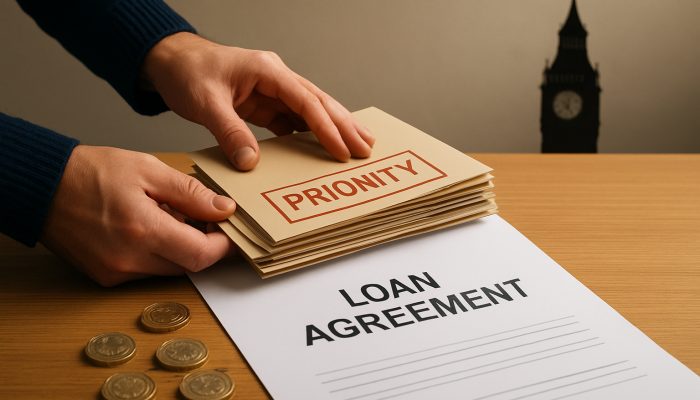
Comprehending Priority Bills for UK Households
Recognising Essential Payments

For UK households, it is vital to differentiate between essential payments and discretionary expenses. Essential payments typically encompass council tax, utility bills, and other indispensable services that ensure the household functions efficiently. Discretionary spending, however, refers to non-essential items like dining out or purchasing luxury goods. By placing emphasis on essential payments, families can secure uninterrupted access to critical services, thereby avoiding complications with creditors or suppliers.
Accurately identifying these essential outgoings aids UK residents in steering clear of financial difficulties. When families concentrate on paramount expenses, they create a stable financial environment. This method not only safeguards vital services but also alleviates the anxiety linked to potential disruptions, making it a sound financial strategy for households nationwide.
What Role Do Energy Costs Play in Payment Prioritisation?
Energy costs, especially gas and electricity bills, are among the highest priority payments for UK households. These essential utilities are crucial for heating, cooking, and lighting, and failure to pay them can result in disconnections. Such interruptions can have dire consequences, particularly during colder months when heating is essential for health and comfort.
Evaluating typical household utility expenses shows that neglecting energy bills can lead to considerable long-term financial repercussions. Disconnections often incur reconnection fees and higher tariffs, further straining family budgets. As a result, prioritising energy costs over loan repayments is a wise strategy to avoid these pitfalls and ensure continuous access to essential services.
Understanding Council Tax Responsibilities
Council tax is a charge imposed by local authorities that UK residents must pay to support local services, including waste collection and public safety. Timely payment of council tax is crucial to avert enforcement actions, which may involve bailiff visits or court proceedings. Such actions can disrupt daily life and impose additional financial burdens on families.
Grasping the implications of council tax responsibilities is essential for maintaining financial stability. Failure to pay can lead to substantial penalties, making it vital for households to prioritise these payments. By ensuring prompt settlement of council tax, families can sidestep unnecessary stress and legal entanglements while contributing to their local community.
Advantages of Prioritising Essential Bills Over Loans

Preventing Service Interruptions
Focusing on payments for essential bills rather than loan repayments guarantees ongoing access to vital services such as water, electricity, and gas. This approach shields households from disconnections that can disrupt daily activities and generate undue stress. Maintaining these services is particularly crucial during challenging periods, such as financial downturns or unexpected expenses.
By prioritising essential payments, families secure their basic needs and alleviate the anxiety tied to potential service interruptions. This proactive strategy not only protects their well-being but also nurtures a sense of financial security that empowers households to navigate challenges more effectively.
Essential Benefits for Financial Security in the UK
- Minimises stress from potential legal actions by authorities.
- Ensures uninterrupted access to essential services.
- Fosters positive relationships with service providers.
- Encourages disciplined financial habits.
A steadfast focus on essential payments nurtures disciplined routines tailored to British economic conditions. By cultivating the habit of prioritising bills, households can manage their finances more effectively and avoid falling into debt. This disciplined approach not only contributes to financial stability but also enhances overall well-being.
How Does Prioritising Bills Affect Credit Scores?

Influence on Borrowing History
Timely payment of priority items, such as utility bills and council tax, bolsters positive records held by UK credit reference agencies. A robust payment history in these essential areas can improve a household’s creditworthiness, facilitating easier access to loans and credit in the future. By prioritising these payments, families can establish a solid foundation for their credit profiles.
Conversely, neglecting priority bills can result in adverse effects on credit scores. Defaults on utility bills and council tax arrears can significantly mar borrowing history, making it imperative for households to manage these payments diligently. By ensuring priority bills are settled punctually, families can protect their credit ratings and enhance their financial prospects.
What Are the Consequences of Missed Loan Payments?
Missed loan payments may negatively impact credit scores, though the effects are often less severe than defaults on essential utility bills. While delayed repayments on secondary debts can influence overall ratings, defaults on utilities can prompt immediate service interruptions and additional penalties. This distinction highlights the necessity of prioritising essential payments over loan repayments.
When households miss loan payments, they risk incurring higher interest rates or fees, exacerbating their financial challenges. Prioritising essential bills enables families to circumvent these issues and maintain better control over their financial situation. By focusing on critical payments first, households can minimise the risks associated with missed loan repayments.
Pathway to Long-Term Credit Score Improvements
Strategically ordering bill payments contributes to gradual enhancements in credit profiles monitored throughout Britain. By consistently prioritising essential bills, households can elevate their credit scores over time, making them more appealing to lenders. This positive trajectory can result in lower interest rates and more favourable borrowing conditions for future loans and credit applications.
Over the long term, maintaining a strong emphasis on priority bills fosters financial resilience. As households construct a solid credit history, they position themselves for future financial opportunities. This strategic approach not only benefits individual households but also bolsters the broader economy by promoting responsible borrowing practices.
Expert Insights on Prioritising Bills Over New Loans
Real-Life Examples from the UK
Financial advisors frequently reference real-world cases where households successfully avoided court actions by prioritising essential payments. For example, families that consistently settled their council tax and utility bills managed to maintain stable living conditions and evade the pressures of enforcement actions. These case studies underscore the importance of prioritising essential bills to prevent financial distress.
Numerous households have reported enhanced financial well-being after adopting a prioritisation strategy. By focusing on essential expenses first, families have found it easier to manage their budgets and steer clear of debt. These insights illustrate the tangible advantages of prioritising bills over new loans, reinforcing the significance of this approach for UK residents.
Actionable Steps for Debt Management
Experts advise compiling a list of all recurring charges before contemplating additional credit options available in the UK. This strategy enables households to determine which payments are essential and which can be postponed. By establishing a transparent hierarchy of financial obligations, families can make informed decisions regarding their borrowing options.
Developing a prioritised list of payments assists households in managing their finances more efficiently. By concentrating on essential bills first, families can ensure they maintain access to crucial services while minimising the risks associated with new loans. This proactive strategy supports financial stability and encourages responsible borrowing practices.
Expert Analysis on Household Budgeting
Specialists investigate how the sequence of payments influences stability amid fluctuating living costs faced by British families. By prioritising essential bills, households can create a buffer against unexpected expenses, ensuring they remain financially secure even during challenging times. This approach enables families to navigate economic uncertainties with greater assurance.
Effective household budgeting necessitates a clear understanding of financial priorities. By focusing on essential payments, families can allocate their resources more effectively and avoid falling into debt. This strategic method not only enhances financial stability but also promotes overall well-being, allowing households to flourish in an ever-evolving economic landscape.
Assessing the Risks of Unsecured Debt Accumulation
Financial consultants in Britain warn against pursuing new borrowing options before addressing critical utility and council tax obligations. Accumulating unsecured debt can lead to rising interest burdens and potential insolvency actions, which can have severe repercussions for households. By prioritising essential payments, families can steer clear of these risks and maintain financial stability.
Addressing priority bills first is crucial for averting debt spirals. Families that overlook essential payments in favour of new loans may find themselves in a precarious financial position. By focusing on priorities, households can ensure their financial security and avoid the pitfalls associated with unsecured debt.
Highlighting the Advantages of Professional Debt Advice
Experts recommend seeking guidance from accredited UK debt counsellors who can craft tailored repayment strategies to ensure priority payments are upheld. Professional debt advice can assist families in navigating their financial challenges while ensuring that essential bills are settled on time. This support can prove invaluable for households facing difficulties in managing their finances.
By collaborating with debt counsellors, families can develop personalised plans that prioritise essential payments. This approach not only aids households in maintaining financial stability but also encourages responsible borrowing practices. Seeking professional advice is a proactive step towards achieving long-term financial health and security.
What Are Common Pitfalls When Considering New Loans?
Neglecting Existing Financial Commitments
Borrowers often overlook ongoing bills when contemplating new loans, resulting in cash shortfalls in UK monthly budgets. This oversight can lead to missed payments on essential services, which can impose serious consequences for households. By disregarding existing commitments, families may inadvertently compromise their financial stability.
Recognising and addressing existing obligations is crucial for responsible borrowing. Families should meticulously evaluate their financial commitments before taking on new loans to ensure they can manage their budgets effectively. This proactive approach helps avert financial distress and bolsters long-term stability.
Failing to Compare Interest Rates
Neglecting to assess terms from British lenders can lead to higher overall borrowing costs. Many families overlook the need to compare interest rates and fees associated with new loans, which can significantly affect their financial situation. By bypassing this essential step, households may wind up paying more than necessary for credit.
Conducting comprehensive interest rate comparisons is vital for informed borrowing decisions. Families should invest time in evaluating diverse lending options to secure the best possible terms. This diligence not only helps minimise costs but also promotes responsible financial management.
How Do Affordability Checks Benefit Borrowers?
Thorough affordability assessments are essential for preventing overextension when new agreements are considered. These checks assist borrowers in understanding their financial capacity and ensuring they can manage additional repayments without jeopardising existing commitments. By conducting affordability evaluations, families can make informed decisions regarding their borrowing options.
Affordability checks provide valuable insights into a household’s financial landscape. By contrasting income with expenses, families can ascertain whether they can comfortably take on new loans. This proactive strategy aids in preventing financial strain and supports long-term stability.
Evidence-Based Advantages of Prioritising Essential Bills Over New Loans
Data Illustrating Reduced Arrears Rates
Research indicates that prioritising essential payments results in lower default rates within UK contexts. Households that focus on settling priority bills first are less likely to fall behind on their financial obligations, leading to enhanced financial stability. This evidence emphasises the importance of adhering to a clear payment hierarchy.
By prioritising essential bills, families can minimise the risk of arrears and the associated penalties. This proactive approach not only bolsters financial security but also nurtures a sense of control over household finances. prioritising bills contributes to overall well-being and tranquillity.
Key Financial Security Advantages for UK Households
- Fewer enforcement visits from suppliers.
- Lower anxiety related to financial commitments.
- Improved relationships with service providers.
- Enhanced financial resilience during emergencies.
Evidence supports the notion that adhering to a prioritised payment sequence results in fewer enforcement actions from suppliers. By maintaining focus on essential bills, households can avoid the stress and complications tied to missed payments. This strategic approach enhances financial security and peace of mind.
Analysis of Wellbeing Outcomes
Research links systematic payments to reduced anxiety levels reported by residents. Households that prioritise essential bills often experience a heightened sense of control over their finances, leading to improved mental well-being. This correlation highlights the significance of effective financial management in bolstering overall quality of life.
By concentrating on priority bills, families can establish a more stable financial environment. This stability not only enhances well-being but also fosters a sense of security that enables households to tackle challenges with confidence. Prioritising essential payments becomes a fundamental aspect of sustaining a healthy lifestyle.
Effects on Credit Ratings
Longitudinal studies of British households reveal that prioritising essential utility payments before unsecured loans correlates with improved credit scores. Families that consistently settle priority bills are more likely to maintain positive credit histories, resulting in lower borrowing costs over time. This evidence reinforces the importance of prioritising payments in fostering long-term financial health.
By concentrating on essential bills, households can enhance their credit ratings and secure more favourable borrowing terms. This positive trajectory not only improves financial opportunities but also contributes to overall economic well-being. Prioritising bills is a strategic approach that benefits both individual households and the wider economy.
Influence on Emergency Savings
Analysis of household finances in the UK indicates that prioritising essential bills allows for greater accumulation of emergency savings. Families focusing on essential payments are better equipped to set aside funds for unforeseen expenses, thereby reducing their reliance on high-cost credit options. This proactive strategy enhances financial resilience during tough times.
Establishing emergency savings is vital for long-term financial stability. By concentrating on priority bills, households can create a financial cushion that supports their well-being. This approach not only mitigates risks associated with unexpected costs but also instils a sense of security for families.
Why Is It Important for UK Residents to Scrutinise Loan Terms?
Comprehending Repayment Structures
A detailed examination of loan agreements often uncovers hidden fees associated with products offered by domestic financial institutions. Many borrowers fail to notice these fees, which can significantly influence the total borrowing cost. By carefully scrutinising repayment schedules, families can make well-informed decisions regarding their financial obligations.
Understanding loan terms is essential for responsible borrowing. Families should invest time in assessing the full implications of loan agreements, including any potential charges. This diligence aids in preventing unexpected expenses and supports long-term financial stability.
What Penalties Apply for Early Settlement of Loans?
Certain clauses in loan agreements may impose charges that alter total expenditure calculations. Borrowers who are unaware of these penalties may encounter unexpected costs should they decide to settle their loans early. This lack of knowledge can result in financial strain and undermine the advantages of responsible borrowing.
Evaluating the ramifications of early settlement penalties is essential for making informed financial choices. Families should thoroughly assess their loan agreements to comprehend any potential charges linked to early repayment. This proactive approach ensures households can effectively manage their finances.
Comparing Options Among Providers
Evaluating various lending options guarantees that selections align with the personal circumstances prevalent in Britain. Many borrowers underestimate the importance of comparing offers from different providers, which can lead to higher costs and less advantageous terms. By investing time in evaluating options, families can secure the best possible borrowing arrangements.
Conducting comparisons among providers is essential for responsible financial management. Families should take into account factors such as interest rates, fees, and repayment conditions when assessing loans. This diligence not only helps reduce costs but also supports long-term financial stability.
Assessing Total Cost Implications
A thorough analysis of APR figures alongside all associated charges enables British borrowers to fully grasp the complete financial commitment involved when considering different lending products. Many families neglect this critical step, resulting in unexpected costs and financial difficulties. By carefully scrutinising total cost implications, households can make informed decisions regarding their borrowing options.
Understanding the full cost of borrowing is vital for responsible financial management. Families should dedicate time to evaluating all aspects of loan agreements, including hidden fees and interest rates. This proactive approach supports long-term financial stability and helps avert unexpected expenses.
Strategies for Effective Financial Management in UK Households
Developing Monthly Cash Flow Plans
Mapping income against priority outgoings supports effective financial management. A well-organised cash flow plan allows families to identify their essential expenses and ensure they can meet their financial commitments. By creating a clear overview of their finances, households can make informed choices regarding their spending.
Effective cash flow planning empowers families to maintain control over their financial circumstances. By consistently reviewing their income and expenses, households can adjust their budgets as necessary to remain on track. This proactive strategy fosters financial stability and supports overall well-being.
Key Financial Security Advantages for UK Households
- Enhanced visibility of financial health.
- Improved ability to identify spending patterns.
- Increased control over budgeting decisions.
- Greater confidence in managing unexpected financial demands.
Tools such as spreadsheets assist in tracking variable costs from British retailers. By utilising these resources, families can gain insights into their spending behaviours and make informed decisions regarding their finances. This awareness supports responsible financial management and enhances overall stability.
Seeking Guidance from Local Services
Charitable organisations provide tailored guidance to address conditions affecting UK residents. Numerous organisations offer free financial advice and support, helping families navigate their financial challenges. By seeking assistance from local services, households can access invaluable resources that promote financial well-being.
Engaging with local services equips families with the tools needed to manage their finances effectively. These resources often include budgeting workshops, debt counselling, and financial education programmes. By leveraging these services, households can enhance their financial literacy and improve their overall financial health.
Practical Steps for Achieving Financial Stability
Establishing Direct Debits
Automatic transfers to priority accounts reduce the risk of oversight. By setting up direct debits for essential bills, families can ensure that their payments are made promptly, minimising the likelihood of missed payments and associated penalties. This proactive approach fosters financial stability and supports responsible financial management.
Setting up direct debits also streamlines budgeting. Families can easily monitor their essential payments and ensure they have adequate funds available. This level of organisation enhances overall financial well-being and helps households avoid unnecessary stress.
Regularly Monitoring Statements
Routine reviews of bank statements help catch discrepancies early within British banking systems. By consistently monitoring their accounts, families can identify any unusual transactions or errors that may impact their finances. This proactive approach aids households in maintaining control over their financial situations and avoiding potential issues.
Regularly reviewing statements also supports responsible budgeting. Families can track their spending habits and make adjustments as necessary to ensure they remain on course. This level of awareness fosters financial stability and promotes overall well-being.
Adapting to Changes in Income
Flexible approaches accommodate fluctuations common in the UK employment landscape. Many families face income variations due to changing job circumstances or unexpected expenses. By adopting a flexible budgeting strategy, households can adjust to these changes and sustain financial stability.
Being prepared for income changes is critical for responsible financial management. Families should routinely assess their budgets and modify their spending as needed to ensure they stay on track. This proactive approach supports long-term financial health and equips households to navigate challenges with confidence.
FAQs
What constitutes priority bills?
Priority bills are essential payments that households must make to maintain access to vital services, such as council tax, utility bills, and rent. Failing to meet these obligations can lead to severe consequences, including service disconnections and legal actions.
Why is it crucial to prioritise bills over loans?
Prioritising bills over loans ensures that households retain access to essential services. This strategy helps prevent service interruptions and shields families from the stress of potential legal repercussions related to unpaid bills.
How can missed payments influence my credit score?
Missed payments on priority bills, such as utilities and council tax, can have a significant negative impact on your credit score. These defaults are regarded more unfavourably than missed loan payments, making it imperative to prioritise essential payments.
What advantages does seeking professional debt advice offer?
Professional debt advice can assist households in developing customised repayment strategies that prioritise essential payments. Debt counsellors offer invaluable insights and support to help families effectively navigate their financial challenges.
How can I formulate a cash flow plan?
Creating a cash flow plan involves outlining your income against essential expenses. By tracking your spending and identifying priorities, you can make informed decisions regarding your finances and maintain control over your budget.
What should my list of priority bills encompass?
Your list of priority bills should include essential payments such as council tax, utility bills, rent or mortgage payments, and any other necessary expenses that ensure you maintain access to vital services.
How can I prevent accumulating unsecured debt?
To avoid accumulating unsecured debt, prioritise essential bills and refrain from taking on new loans until your existing commitments are settled. Create a budget that accommodates savings and emergency funds to diminish reliance on high-cost credit.
What factors should I consider when comparing loan options?
When evaluating loan options, consider elements such as interest rates, fees, repayment terms, and any penalties for early settlement. This thorough assessment helps ensure you secure the best possible borrowing arrangements.
How can I effectively monitor my financial health?
Regularly reviewing your bank statements and keeping track of your spending can help you monitor your financial health. Utilising budgeting tools and obtaining advice from local services can further enhance your financial awareness.
What are the implications of ignoring existing commitments?
Disregarding existing commitments can lead to cash shortfalls, missed payments, and potential legal actions. This oversight can jeopardise your financial stability, making it vital to prioritise essential bills before considering new loans.