
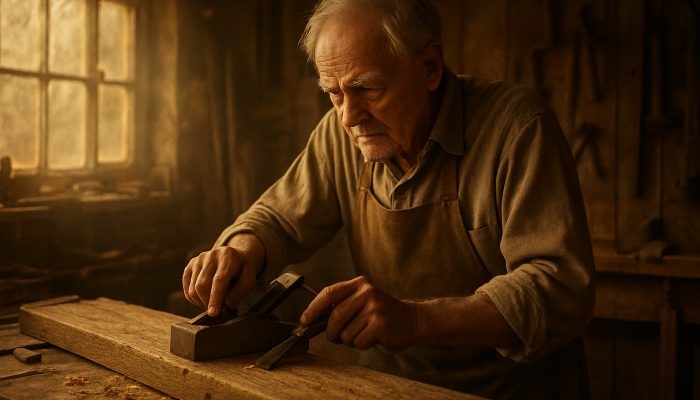
The Advantages of Repurposing Heritage Tools in Britain
Choosing the Right Vintage Tools
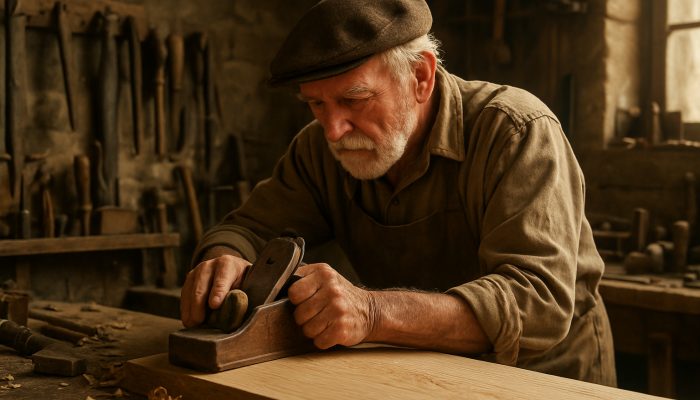
Selecting the right vintage tools empowers British artisans to uphold exceptional standards in workshops nationwide. These implements represent the craftsmanship meticulously handed down through generations, ensuring both durability and precision in every endeavour. When choosing tools, assess their historical relevance and usability, as well as their potential to enhance your work.
Vintage tools often offer distinctive characteristics that modern counterparts cannot replicate. For example, the weight and balance of a finely crafted hand plane can provide unmatched control, something difficult to achieve with contemporary alternatives. The tactile experience gained from using these tools fosters a stronger connection to the craft, making each undertaking more fulfilling.
Employing vintage tools can spark creativity and inspire innovation. By incorporating these heritage items into contemporary practices, craftsmen are able to develop new techniques while honouring traditional methods. This harmonious blend of old and new can yield remarkable results that pay tribute to the past while pushing the boundaries of craftsmanship.
Effectively Maintaining Your Tools
Routine maintenance is vital to ensure that vintage tools continue to operate reliably in various British environments, including farms and factories. Maintenance routines may involve cleaning, oiling, and sharpening, which are crucial for preserving both functionality and longevity. A well-maintained tool not only boosts productivity but also guarantees safety during use.
It is essential to understand the specific care needs of each tool. For instance, wooden handles may demand different treatment compared to metal parts. By creating a customised maintenance plan, artisans can keep their vintage tools in peak condition, ensuring they are always ready for any challenge.
Dedicating time to maintenance cultivates a sense of responsibility and respect for craftsmanship. Users develop a profound appreciation for their tools, recognising the skill and effort that went into their creation. This connection encourages a more mindful approach to work, enhancing both satisfaction and the quality of the output.
Why Are Traditional Tools Ideal for UK Projects?
Traditional tools are often perfectly suited to typical British tasks, offering advantages in terms of cost-effectiveness and environmental impact. Many heritage tools were specifically designed for the materials and methods prevalent in British craftsmanship, making them exceptionally effective for local projects. Their robustness allows them to endure daily use without the necessity for frequent replacements.
From woodworking to metalworking, these tools offer a level of reliability that modern alternatives sometimes fail to provide. The craftsmanship inherent in these vintage items ensures they can meet the demands of various trades, making them suitable for both rural and urban contexts. This compatibility with local practices enhances their desirability.
Utilising vintage tools aligns with sustainable practices that resonate with the UK’s increasing focus on eco-friendliness. By reusing and repairing instead of replacing, craftsmen contribute to a circular economy that values resourcefulness. This approach not only benefits individual projects but also aligns with national trends favouring sustainability in both rural and urban settings.
How Does Reusing Heritage Tools Enrich Craftsmanship Traditions?
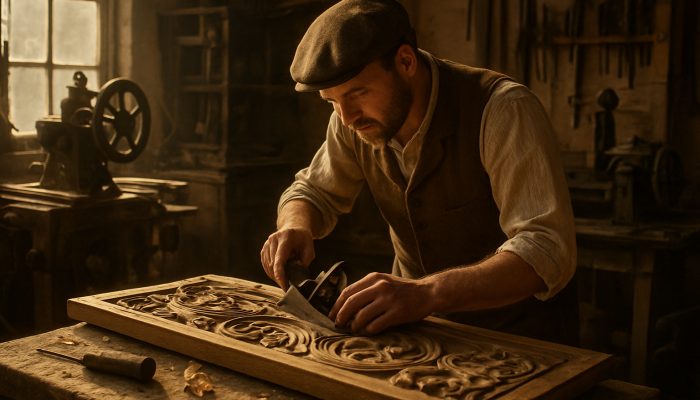
Repurposing heritage tools strengthens the connection to Britain’s illustrious manufacturing history. By integrating these implements into modern practices, craftsmen achieve superior results in restoration and bespoke projects. This not only pays homage to ancestral methods but also promotes sustainable craftsmanship across various sectors.
Reviving traditional techniques fosters a deeper understanding of the skills inherent in different trades. Craftsmen who utilise vintage tools often find themselves more engaged in their work, appreciating the history and craftsmanship behind their implements. This bond can reignite a passion for their craft, encouraging others to explore traditional methods.
By advocating for the use of heritage tools, artisans contribute to a cultural renaissance that celebrates British craftsmanship. This movement not only preserves invaluable skills but also nurtures a sense of community among practitioners. As more craftsmen adopt these tools, they help ensure that traditional techniques remain vibrant and relevant in today’s fast-paced environment.
How Can Heritage Tools Transform Modern British Work?
Adapting Traditional Techniques to Contemporary Needs
Integrating time-honoured techniques enables British professionals to achieve superior results in construction and repair projects. Numerous traditional tools and methods have stood the test of time, demonstrating their effectiveness across various applications. By employing these tried-and-true techniques, workers can enhance both their efficiency and the quality of their work.
For instance, opting for a traditional chisel instead of a modern electric tool can provide greater precision and control in intricate woodworking tasks. Such approaches allow craftsmen to engage more deeply with their materials, nurturing a sense of artistry that may be lost with contemporary tools. This hands-on method frequently results in exceptional craftsmanship, as users develop a more profound understanding of their work.
Modifying traditional methods to satisfy current needs can encourage innovation. By reinterpreting age-old techniques, modern artisans can devise unique solutions that blend the best of both worlds. This adaptability not only enhances individual projects but also fosters the evolution of craftsmanship as a whole, ensuring that traditional skills remain pertinent in today’s marketplace.
Providing Effective Training for New Users
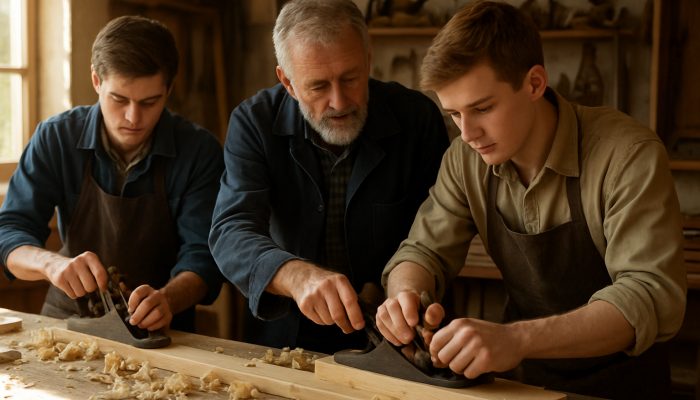
Offering guidance on the use of vintage tools builds confidence among younger British workers keen to learn traditional methods. Training programmes incorporating these tools can provide invaluable insights into craftsmanship, helping newcomers appreciate the skills and techniques refined over generations. This transfer of knowledge is crucial for preserving traditional practices.
Workshops and apprenticeships centred around vintage tools can instil pride in craftsmanship. By mastering the effective use of these implements, novice artisans cultivate a deeper connection to their work. This bond not only enhances their skill set but also fosters a sense of responsibility for maintaining and passing on these traditions.
Integrating vintage tools into training can stimulate creativity. As new users experiment with these heritage items, they may discover innovative applications for traditional techniques in contemporary contexts. This exploration can lead to a richer understanding of craftsmanship and inspire a new generation of artisans to honour their heritage while carving their own paths.
- Enhanced craftsmanship through traditional techniques.
- Increased confidence in handling tools.
- Stronger connection to heritage and craftsmanship.
- Encouragement of creativity and innovation.
Expert Insights on the Advantages of Vintage Tools
Expert Analysis of British Applications
Specialists assess how vintage tools enhance ongoing projects in Britain by delivering consistent performance that meets the requirements of local tradespeople. Many experts assert that the reliability of these tools is unparalleled, especially in challenging conditions where modern alternatives may struggle. Their design frequently reflects a profound understanding of the materials and techniques employed in British craftsmanship.
For example, in the construction of traditional timber-framed buildings, vintage tools such as hand saws and chisels facilitate precise cuts and joints that modern power tools may fail to replicate. This level of detail is vital for maintaining the integrity of historic structures, ensuring that restorations are both authentic and durable.
Experts recommend that tradespeople consider the environmental impact of their tool selections. Vintage tools generally consume less energy and can often be repaired instead of replaced, aligning with sustainable practices that are increasingly significant in the UK. This emphasis on longevity and resourcefulness promotes a more responsible approach to craftsmanship.
Actionable Steps for Sourcing Vintage Tools
Experts suggest visiting reputable UK suppliers and markets to discover quality pieces tailored to specific regional needs. Antique fairs, local auctions, and specialised tool shops often showcase a wealth of vintage implements waiting to be found. Engaging with these sources not only supports local businesses but also increases the likelihood of uncovering unique tools with rich histories.
When sourcing vintage tools, it is crucial to inquire about their provenance and condition. Knowledgeable vendors can provide insights into the history and previous usage of the tools, aiding buyers in making informed decisions. This diligence ensures that selected tools will meet the practical demands of British craftsmen.
Networking with fellow artisans can yield valuable recommendations for where to source vintage tools. Online forums and local guilds frequently share tips on discovering quality pieces. By tapping into this collective knowledge, tradespeople can enhance their collections while fostering connections within the industry.
Assessing Long-Term Value
Prolonged use showcases the reliability that British craftsmen appreciate when tackling repetitive tasks in workshops and outdoor settings. Vintage tools typically exhibit a durability that modern counterparts often lack. This longevity translates into cost savings over time, as fewer replacements are necessary, allowing artisans to concentrate on their craft rather than tool upkeep.
Practically speaking, a well-maintained vintage tool can serve multiple generations of craftsmen, passing down both functionality and history. The stories and experiences associated with these tools contribute to their value, creating a legacy that resonates deeply within the British craftsmanship community.
The emotional bond with these tools often enhances their perceived value. Craftsmen utilising vintage implements may feel a sense of pride in their work, recognising their participation in a long-standing tradition of skilled artisans. This connection can lead to increased job satisfaction and a commitment to maintaining high standards in craftsmanship.
Why Are Traditional Methods Still Effective Today?
Integrating Old and New Techniques
Combining established practices with modern adjustments supports efficient workflows across British industries. Many contemporary craftsmen find that incorporating vintage tools into their processes boosts productivity and quality. This synergy enables artisans to leverage the strengths of both traditional techniques and modern innovations, leading to superior results.
For instance, while power tools offer speed, the precision of hand tools is invaluable for intricate work. By understanding when to use each type of tool, craftsmen can optimise their workflows, ensuring projects are completed on time without compromising quality. This balanced approach fosters a more thoughtful and engaged method of working.
Merging old and new techniques encourages continuous learning and adaptation. As artisans experiment with various tools and methods, they can uncover innovative solutions to modern challenges. This ongoing exploration not only enhances individual skills but also contributes to the evolution of craftsmanship as a whole.
How Do Traditional Methods Minimise Waste?
Embracing traditional techniques reduces unnecessary purchases and disposal, aligning with British initiatives aimed at promoting resourcefulness. Vintage tools are often crafted for longevity, decreasing the need for frequent replacements. This durability encourages craftsmen to invest in quality rather than quantity, nurturing a more sustainable approach to their work.
Many traditional methods emphasise repair and maintenance over replacement. Craftsmen who understand how to care for their tools can significantly extend their lifespan, reducing waste and supporting a more sustainable industry. This focus on resourcefulness resonates with the growing demand for eco-friendly practices in the UK.
Using vintage tools often fosters a deeper comprehension of materials and techniques. Craftsmen who actively engage with their tools are more likely to make informed decisions about their usage, leading to decreased waste overall. This mindful approach benefits individual projects while also supporting broader environmental goals within the industry.
Building Community Knowledge in Craftsmanship
Sharing experiences among British artisans strengthens collective understanding and encourages widespread adoption of reliable strategies. As craftsmen exchange tips and techniques, they contribute to a growing body of knowledge that benefits the entire community. This collaborative spirit fosters innovation and inspires others to explore traditional methods.
Workshops and guilds often provide valuable platforms for sharing insights and experiences. By participating in these gatherings, craftsmen can learn from each other and develop new skills. This exchange of knowledge enhances individual practices while strengthening the bonds within the community.
As more artisans embrace traditional methods, they can collectively advocate for their value in today’s market. This unified voice can help raise awareness about the importance of craftsmanship and sustainability, encouraging a broader appreciation for the skills and techniques that define British artistry.
Research-Backed Advantages of Using Vintage Tools
Reviewing Relevant Studies from Britain
Analyses highlight the performance advantages observed in UK contexts, where vintage tools consistently deliver reliable results. Research indicates that these implements often outperform modern alternatives in specific applications, particularly in trades where precision and control are essential. This reliability supports sustained productivity in key sectors, making vintage tools a wise investment for many craftsmen.
For instance, studies demonstrate that traditional hand tools can produce better finishes in woodworking, as they provide greater tactile feedback and control. This advantage is particularly significant in restoration projects, where maintaining authenticity is crucial. The consistent performance of these tools can also enhance overall job satisfaction among users.
The economic implications of utilising vintage tools are noteworthy. By reducing the frequency of replacements, craftsmen can save money while maintaining high-quality output. This cost efficiency is especially advantageous in competitive markets, where every expense counts, reinforcing the value of investing in reliable heritage tools.
Real-World Examples from UK Sites
Case studies illustrate successful applications in British workshops and fields, demonstrating practical advantages for users seeking dependable solutions. For example, many restoration projects in historic towns such as Bath or York rely on vintage tools to uphold authenticity and craftsmanship. These implements enable artisans to replicate traditional techniques that modern equipment may struggle to achieve.
In agricultural settings, farmers often favour vintage tools for tasks like ploughing and harvesting. The durability and simplicity of these tools facilitate effective operation in diverse weather conditions, ensuring consistent results throughout the seasons. This reliability is crucial for maintaining productivity on farms across the UK.
Numerous craftspeople report that using vintage tools enriches their connection to their craft. By engaging with the history and tradition behind these implements, artisans find renewed inspiration and motivation. This emotional aspect contributes to a more fulfilling experience, making the use of old tools not only practical but also deeply rewarding.
Evaluating Economic Impacts
Evaluations indicate the cost efficiencies gained by British businesses through decreased expenditure on replacements. The longevity of vintage tools allows craftsmen to invest in quality implements that serve them well for years. This shift towards heritage tools not only supports individual artisans but also bolsters the overall health of the UK economy.
The use of vintage tools typically leads to increased productivity. Craftsmen relying on dependable implements can complete projects more efficiently, minimising downtime and boosting output. This efficiency translates into higher profits and a more sustainable business model, particularly in competitive markets.
As more artisans embrace vintage tools, they contribute to a growing market for restoration and repair services. This trend not only supports local economies but also cultivates a culture of sustainability that resonates with consumers. By prioritising quality and longevity, craftsmen can build a loyal customer base that values their commitment to craftsmanship.
Examining User Testimonials from British Craftsmen
Surveys conducted across various British industries reveal that professionals report heightened satisfaction levels when utilising trusted older tools. Users cite reliability and reduced downtime as pivotal factors in their continued preference for vintage implements. This feedback underscores the practical advantages of employing heritage items in a contemporary context.
Many craftsmen express pride in using tools that have stood the test of time. This emotional connection enhances their overall experience, making their work more meaningful. Testimonials frequently highlight the joy of mastering traditional techniques, which can lead to a deeper appreciation for the craft.
The sense of community that emerges from the use of vintage tools cannot be overlooked. Craftsmen often share their experiences and insights, fostering a supportive network that encourages the continued use of traditional methods. This collective knowledge contributes to a vibrant culture of craftsmanship that values both heritage and innovation.
Why Should UK Artisans Revert to Proven Tools?
Reinforcing Craftsmanship Standards
Returning to established tools helps British artisans uphold the quality benchmarks that have defined national workmanship. These implements embody the skills and techniques refined over generations, allowing craftsmen to produce work that meets the highest standards. By embracing vintage tools, artisans can ensure that their craft remains rooted in tradition.
Many artisans discover that using proven tools enhances their ability to achieve precise results. The tactile feedback and control provided by vintage implements allow for a level of artistry that can be challenging to replicate with modern equipment. This connection to the craft cultivates a sense of pride and accomplishment, reinforcing the importance of quality in workmanship.
Reviving traditional techniques can inspire a new generation of artisans. By demonstrating the effectiveness of heritage tools, seasoned craftsmen can motivate younger practitioners to explore and appreciate the skills that define British craftsmanship. This mentorship not only preserves invaluable knowledge but also strengthens the community of artisans committed to excellence.
What Challenges May Arise During the Transition?
Initial adjustments may require patience as users adapt their habits, but ultimately lead to greater satisfaction. Transitioning to vintage tools can involve a learning curve, as craftsmen familiarise themselves with different techniques and approaches. Although this process may feel daunting at first, the rewards often outweigh the challenges.
Many artisans find that the time invested in learning to use vintage tools pays dividends in the long run. As they gain confidence and mastery, they often discover that their work becomes more enjoyable and fulfilling. This sense of achievement can motivate artisans to continue honing their skills and exploring new techniques.
Embracing vintage tools can foster a sense of community among artisans. As craftsmen share their experiences and insights, they contribute to a supportive environment that encourages collaboration and growth. This collective spirit can facilitate the transition, making it easier for artisans to adopt traditional methods while maintaining their unique styles.
- Enhanced quality and precision in craftsmanship.
- Stronger connection to heritage and tradition.
- Greater job satisfaction and pride in work.
- Supportive community fostering collaboration.
Effective Strategies for Sourcing Reliable Vintage Tools
Regularly Visiting Local Markets
Exploring British fairs and auctions presents opportunities to acquire suitable vintage pieces while supporting local vendors. Many local markets specialise in vintage tools, offering a diverse array that caters to various needs. Consistent visits to these events can lead to valuable discoveries and unique additions to any craftsman’s toolkit.
Interacting with local vendors can also provide insights into the history and condition of the tools. Knowledgeable sellers frequently share stories about their items, enhancing their value and enabling buyers to make informed decisions. This personal connection to the tools can deepen the appreciation for their craftsmanship.
Attending local markets cultivates a sense of community among artisans. These gatherings offer opportunities for networking and collaboration, allowing craftsmen to exchange tips and experiences. This knowledge-sharing not only benefits individual practitioners but also strengthens the local craftsmanship community as a whole.
Thoroughly Checking Tool Condition
Diligent inspection prevents potential issues and ensures that items meet the practical requirements of British users. When sourcing vintage tools, it is imperative to assess their condition closely. Look for indications of wear, rust, or damage that could affect performance. A well-maintained tool can serve you well for years, while a neglected one may necessitate extensive repairs.
Understanding the specific needs of each tool is essential. For instance, wooden handles should be examined for cracks or splintering, while metal components should be free from significant rust. By evaluating these aspects, craftsmen can make informed decisions about which tools to invest in, guaranteeing they meet the demands of their work.
Seeking expert advice can enhance the sourcing process. Experienced artisans can provide valuable insights regarding the condition and functionality of vintage tools, helping buyers avoid potential pitfalls. This collaborative approach benefits individual craftsmen and fosters a culture of knowledge-sharing within the community.
- Ensures reliability and functionality of tools.
- Promotes informed purchasing decisions.
- Encourages collaboration and knowledge-sharing.
- Supports sustainable practices through resourcefulness.
Local Sourcing for Authenticity and Availability
Sourcing locally offers authenticity and immediate availability, streamlining operations for many British professionals. By prioritising local suppliers, craftsmen can discover vintage tools that resonate with their specific needs and preferences. This approach not only supports the local economy but also nurtures a sense of community among artisans.
Local sourcing fosters a more personal connection to the tools. Craftsmen can engage with vendors, learning about the history and craftsmanship behind each item. This knowledge enriches the experience, transforming each tool into not just a functional implement but a piece of heritage.
Local sourcing frequently leads to unique finds that may not be accessible through larger retailers. Vintage tools with distinctive features or histories can enhance a craftsman’s toolkit, providing opportunities for creativity and innovation. By embracing local suppliers, artisans can curate a collection that reflects their personal style and commitment to craftsmanship.
Frequently Asked Questions
What Are the Advantages of Using Vintage Tools?
Utilising vintage tools offers numerous benefits, including durability, precision, and a connection to traditional craftsmanship. They often outperform modern alternatives in specific tasks, providing reliability and enhancing the overall quality of work.
Where Can I Find Vintage Tools in the UK?
Vintage tools can be found at local markets, antique fairs, and auctions. Engaging with local vendors can also provide valuable insights and unique finds tailored to your specific needs.
Are Old Tools Superior to Modern Tools?
Old tools can be more effective for certain tasks due to their design and craftsmanship. They frequently offer greater control and precision, making them ideal for intricate work and restoration projects.
How Should I Maintain Vintage Tools?
Maintaining vintage tools involves regular cleaning, oiling, and sharpening. Understanding the specific needs of each tool is crucial to ensuring their longevity and performance.
Can I Use Old Tools for Contemporary Projects?
Absolutely! Many vintage tools are well-suited for modern projects, offering unique advantages in terms of precision and craftsmanship. They can elevate the quality of your work while connecting you to traditional methods.
What Types of Vintage Tools Are Common?
Common types of vintage tools include hand planes, chisels, saws, and hammers. Each type possesses its own unique characteristics and advantages, making them valuable additions to any craftsman’s toolkit.
How Do Vintage Tools Promote Sustainability?
Vintage tools support sustainability by minimising the need for frequent replacements and encouraging repair over disposal. Their durability and longevity contribute to a more resourceful approach to craftsmanship.
What Challenges Might I Encounter When Using Vintage Tools?
Challenges may include a learning curve as you adapt to different techniques and maintenance requirements. the rewards typically outweigh these challenges, leading to improved craftsmanship and satisfaction.
Is Special Training Necessary to Use Vintage Tools?
While special training is not always required, guidance on handling vintage tools can be advantageous. Workshops and mentorship can enhance your skills and confidence in using these implements effectively.
Why Is Community Important in Craftsmanship?
Community fosters knowledge-sharing and collaboration among craftsmen. Engaging with others can lead to valuable insights, support, and inspiration, enriching the overall experience of practising your craft.